



Believe it or not, about 75% of homes in the United States have air conditioners. Yet, many homeowners ignore the critical upkeep needed. Proper air conditioner maintenance is crucial. It’s about comfort, extending the life of your system, and keeping it running smoothly. Our guide provides tips to manage your home’s climate, reduce energy bills, and prevent breakdowns.
Maintaining your HVAC isn’t just a quick check before summer’s heat hits. You’ll discover how small changes and checks can prevent big problems later, protecting your investment. Check out 7 Warning Signs Your AC Needs Immediate Maintenance.
A well-kept air conditioner works better and lasts longer. It brings peace of mind and savings. Whether you’re experienced or new to home climate management, this guide is essential. It helps your AC run efficiently, making your summer cool and enjoyable.
To Learn More Read Our Guide: 10 Essential Air Conditioner Maintenance Tips for Homeowners
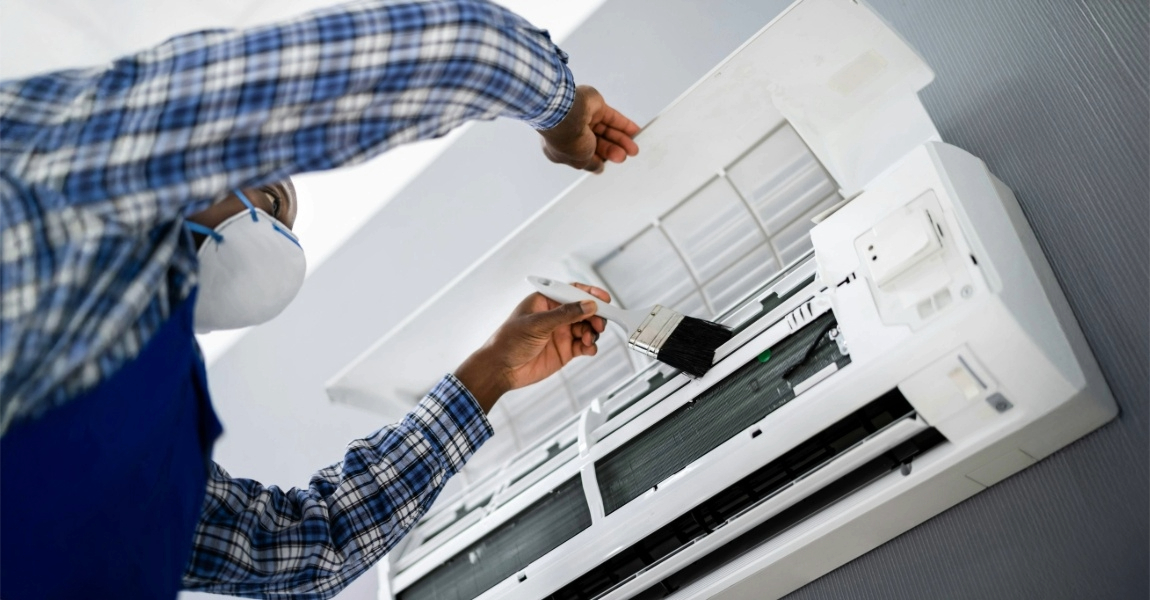
Table of Contents
Key Takeaways – Air Conditioner Maintenance
- Prioritizing air conditioner maintenance can significantly extend the life of your HVAC system.
- Regularly scheduled check-ups and maintenance prevent minor problems from turning into costly repairs.
- Homeowners who follow the right air conditioner maintenance tips can ensure their AC units run smoothly, saving money and improving system efficiency.
- Understanding the basics of HVAC maintenance can empower you to take control of your home’s climate and energy use.
- This guide provides not just how-tos, but the whys of air conditioner maintenance, helping you appreciate the importance of each step in the process.
Understanding the Importance of Air Conditioner Maintenance
Keeping your air conditioner in good shape is not just for staying cool. It’s vital for the machine’s efficiency and lifespan. Discovering the benefits of AC maintenance shows you how early care can prevent air conditioning problems and make the system work longer. Staying on top of routine air conditioner check-ups is key to these benefits.
Benefits of Regular AC Maintenance
Regular maintenance of your air conditioner has many perks. It improves your unit’s performance and can lower your energy costs.
A well-maintained AC also lasts longer, so you won’t have to replace it as soon. Plus, check-ups keep it cooling steadily when you need it most. This makes your home more comfortable and safe when it’s hot out.
Common Problems Prevented by Routine Maintenance
Ignoring your air conditioner can lead to lots of issues. But with regular maintenance, you can prevent air conditioning problems such as weak airflow, unusual noises, and sudden failures.
These check-ups identify minor issues before they become major, costly fixes. This means your air conditioner works well when you need it.
| Issue Prevented | Common Cause | Prevention Through Maintenance |
|---|---|---|
| System Breakdown | Poor maintenance, overuse | Regular cleaning and check-ups |
| Decreased Efficiency | Clogged filters, leaky ducts | Filter replacement, duct inspection |
| Excessive Noise | Loose parts, debris | Tightening screws and clearing system |
The Basics of Air Conditioner Maintenance
Keeping your air conditioning system in tip-top shape is key to making it last longer and work better. Basic air conditioner maintenance can improve efficiency and reduce energy bills. Here are essential steps you can take each month and season to keep your AC running smoothly.
Starting with monthly AC maintenance means doing simple checks, which matters a great deal. Changing your air filters regularly improves indoor air quality and helps your system run more efficiently, reducing the need for costly repairs.
Also, ensure all electrical connections are secure, and check the thermostat settings to keep your unit operating efficiently and reliably.
Want Lower Energy Bills? Let’s Talk AC Maintenance!
When it’s time for a seasonal air conditioner tune-up, consider what the upcoming season will require. Clean the coils and check the refrigerant levels in the warmer months of spring and summer. But in the cooler months of fall and winter, remember to cover outdoor units and check the heating elements on a heat pump.
Taking these steps is key to getting your AC ready for the season.
The checklist below is at the heart of basic air conditioner maintenance. It shows the everyday tasks you should do monthly and by season:
| Timeframe | Task | Objective |
|---|---|---|
| Monthly | Replace or clean air filters | Maintain airflow and system efficiency |
| Monthly | Inspect electrical connections | Ensure safety and functionality |
| Seasonally (Spring/Summer) | Clean coils and check refrigerant | Prepare the system for colder weather |
| Seasonally (Fall/Winter) | Cover outdoor units and inspect heating components | Prepare system for colder weather |
Regular maintenance not only prolongs your air conditioner’s lifespan but also cleans the air and reduces energy use. These easy monthly and seasonal steps will help your AC work well for years.
Step-by-Step Guide to a DIY Air Conditioner Tune-Up
Starting a DIY AC tune-up and maintenance can help your unit last longer and work better. This guide will show you how to maintain AC filters, inspect AC coils, and check the AC refrigerant levels. You’ll learn how to keep your AC in top shape.
Cleaning or Replacing Air Filters
- The first step is to clean or replace the AC filters. This is key to keeping the air moving well and your system efficient. If the filters are dirty, your AC has to work harder, which could lead to higher energy bills and a shorter lifespan for your unit.
Inspecting and Cleaning AC Coils
- Next, inspect the AC coils and clean them. Dirt and stuff can build up on the coils over time. This issue can prevent the system from dissipating heat effectively. Cleaning them helps your AC operate more efficiently. You can use a gentle brush or a coil-specific cleaner.
Checking the AC Unit’s Refrigerant Levels
- Lastly, ensure the AC’s refrigerant levels are adequate. The correct amount of refrigerant ensures your air conditioner runs properly. If the levels are off, it may indicate a leak or a need for more refrigerant. You can look for leaks, but you might need an expert to check them thoroughly or add more refrigerant.
Following these steps can give your air conditioner a great tune-up. This will help it operate efficiently, especially when it’s hot.
When to Call in the Professionals for AC Maintenance
Knowing when to get professional AC maintenance can save you time and money. It stops minor issues from becoming big problems. Look for these signs to know when it’s time for HVAC maintenance services:
- Unusual noises or vibrations coming from your AC unit.
- An unexpected increase in energy bills could suggest inefficiency in your system’s performance.
- Insufficient cooling signals potential issues with airflow or refrigerant.
- The system repeatedly cycles on and off, which can prematurely wear down components.
If these problems arise, it is wise to contact an expert air conditioning service. Professional technicians ensure your system runs efficiently and help your unit last longer with proper care.
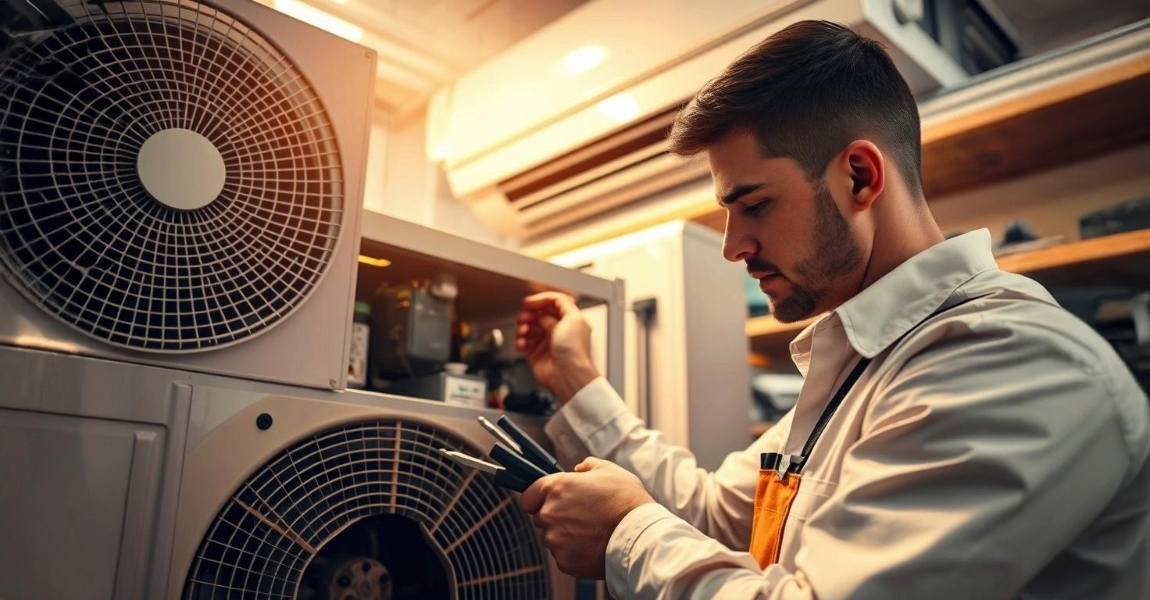
Don’t wait to seek professional help if unsure about an issue. Even minor problems can indicate bigger ones. Experts can keep your system working well, keeping you comfortable all year.
Remember, regular check-ups by certified pros can stop most AC issues. This brings comfort and saves money over time.
How to Choose the Right Air Conditioning Service Provider
Consider a few key factors when selecting the top air conditioning service provider. You need a team that’s skilled, values customer satisfaction, and is reliable. Here, we’ll go over what to remember to find the exemplary AC service for you.
HVAC Technician Qualifications: The best service is provided by technicians with solid qualifications. These show the techs know the most recent standards and technology.
Customer Reviews and Recommendations: What customers say can tell a lot about service quality. A good air conditioning service provider will have many happy reviews and recommendations.
| Qualifications | Experience | Customer Satisfaction |
|---|---|---|
| Certified Technicians | Over 10 Years | High Rating |
| Annual Training | Multiple Brands and Models | Positive Testimonials |
Choosing an AC maintenance service isn’t only about skill. It’s also about finding someone who cares about your AC’s performance all year. Selecting someone with the right skills and experience ensures your AC will perform well and last longer.
Understanding the Costs Involved in Air Conditioner Maintenance
Understanding and planning for air-conditioning maintenance costs is key to effective budgeting. We’ll look at the costs of doing it yourself and hiring professionals, which will help you manage your budget more effectively.
DIY Maintenance Costs
Basic maintenance on your air conditioner can save you money. With little equipment, you can clean air filters or check condenser units. However, you may need to buy specific tools or parts, which can increase costs.
Professional Maintenance Costs
Hiring experts is smart for complex issues or yearly check-ups. Professional HVAC services vary in cost based on your system and service complexity. Regular professional checks can prevent costly repairs later.
| Maintenance Type | Average Cost | Frequency |
|---|---|---|
| DIY Maintenance | $50 – $100 | As needed |
| Professional Maintenance | $150 – $500 | Annually |
Knowing the costs of DIY and professional AC maintenance helps you budget for the year. Setting aside money for regular maintenance and unexpected repairs will keep your AC running smoothly. And it won’t empty your wallet. In addition to budgeting, staying aware of common DIY AC maintenance tips can help you extend your unit’s lifespan.
Regularly cleaning or replacing the air filter, checking for leaks, and ensuring the outdoor unit is free of debris are simple steps. Implementing these practices can improve efficiency and reduce energy bills.
Tips for Extending the Life of Your Air Conditioner
Keeping your air conditioning unit in top shape for many years is essential. To do this, performing preventative maintenance on your air conditioner is vital. We’ll show you practical steps, including how a smart thermostat can help your AC last longer.
Preventative Measures to Take Today
Starting a preventative maintenance routine for your air conditioner is key to longevity. Make sure to replace air filters regularly and have them professionally inspected to prevent minor issues from escalating. This helps your unit last longer.
Also, keep the area around your air conditioner clean and ensure the cooling fins are straight and clear. This boosts both efficiency and lifespan.
The Role of a Thermostat in AC Longevity
Using a smart thermostat wisely is critical for keeping your air conditioner efficient. A smart thermostat adjusts cooling based on your routine and the outside temperature. This saves energy and reduces strain on your AC, helping it last longer by operating only when needed.
- To ensure efficient operation, set your smart thermostat to increase the temperature slightly when you are away and to cool down before you return.
- Utilize the programming features to tailor cooling patterns that sync well with your lifestyle and reduce unnecessary runtime.
By following these guidelines, you’ll extend your air conditioner’s lifespan and improve its efficiency. This will lead to savings on energy costs and reduce the need for expensive repairs. Embrace these wise practices now and enjoy a more efficient air conditioning system.
Air Conditioner Maintenance: Do’s and Don’ts
Maintaining your air conditioner is not just about efficiency; it also extends its life. You can keep it running well by following important air conditioner maintenance habits and avoiding common mistakes. This will also avoid costly repairs. Here are the key practices to follow and mistakes to avoid.
- Do: Regularly replace or clean air filters. This improves air quality and AC efficiency.
- Do: Schedule annual inspections to stick with AC maintenance best practices. Experts can find issues that you might not see.
- Do: Keep your AC unit clean of debris. Leaves and dirt block airflow, reducing efficiency.
- Do: Ensure there is at least 2 feet of clearance around the outdoor unit. This space is needed for good airflow.
- Don’t: Ignore signs that your AC isn’t working right. Fixing problems early is crucial in avoiding AC errors.
- Don’t: If you’re not trained, try to fix complex issues independently. This could cause more damage or void warranties.
- Don’t: Forget to clean the condensate drain line often. This helps prevent water damage and keeps the system efficient.
- Don’t: Make your unit work too hard. When it’s cooler, use fans and open windows to give your AC a rest.
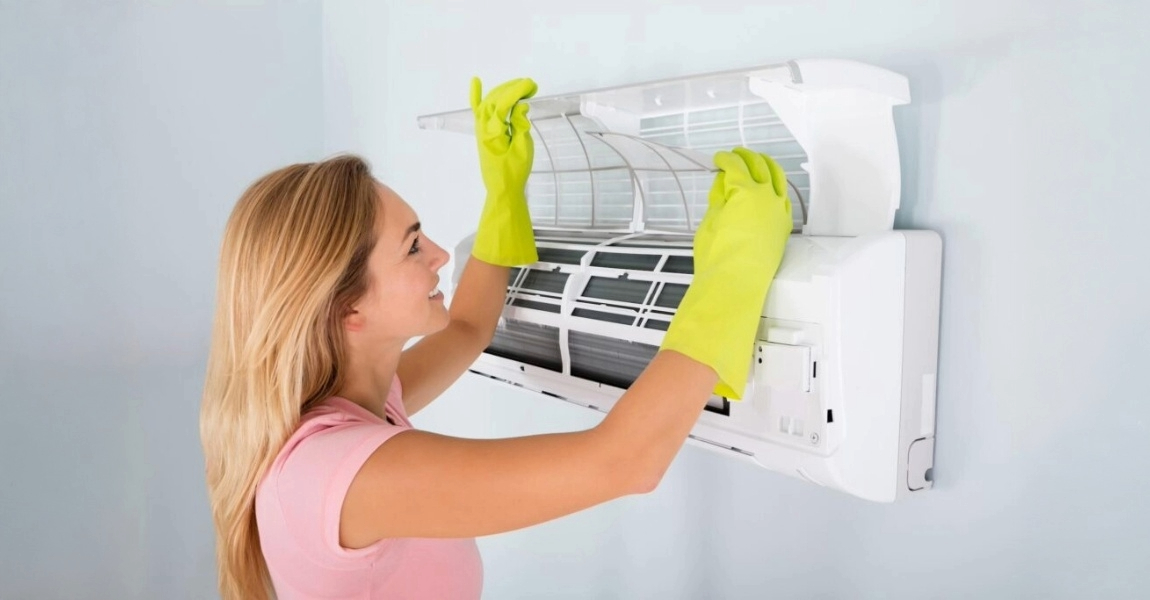
Remember, regular maintenance isn’t just for comfort; it’s about making your air conditioning system last longer and work better. By practicing these air conditioner maintenance habits and avoiding common mistakes, you’re setting your AC system up for reliability and efficiency.
Scheduling Your Annual Air Conditioner Maintenance
Maintaining your air conditioning system on schedule is key to operating efficiently in summer and year-round. It’s smart to determine when to have your air conditioner serviced and to prepare for the technician’s visit.
Best Times of Year for a Tune-Up
The best times to check your AC are in the spring and fall. These times have mild weather, which is excellent for checking your system. This way, you avoid the very hot or cold times that can be hard on your system.
Preparing Your Home for a Maintenance Visit
Before an HVAC maintenance visit, ensure the area around your AC is clean and easy to reach. Remove anything that might block the technician. Have a list of any system issues to discuss with them.
Knowing the importance of maintaining your air conditioner yearly helps a lot. With proper maintenance, you can extend your HVAC system’s lifespan and improve performance, keeping your home cooler.
Your Air Conditioner Maintenance Checklist
Keeping your air conditioner in good shape is key to its efficiency, long life, and energy savings.
Use this detailed air conditioner maintenance checklist to ensure everything runs well. It’s perfect for your yearly HVAC maintenance routine or seasonal checks, guiding you through each step.
| Checklist Item | Description | Frequency |
|---|---|---|
| Inspect and Replace Air Filters | Check filters for dirt and clogging. Replace if necessary to ensure proper air flow and efficiency. | Monthly |
| Clean Condenser Coils | A build-up of dirt on the coils can reduce efficiency and wear out your AC system faster. | Annually |
| Check Thermostat Settings | Low levels can indicate a leak, which could impact the unit’s efficiency and lifespan. | Bi-annually |
| Inspect Refrigerant Levels | Check for wear and lubricate to avoid overheating and damage to your AC system. | Annually |
| Examine Fan and Motor Bearings | Run a general system test to ensure all components work efficiently and quietly. | Annually |
| Clear Drain Lines | Unclog drain lines to prevent water leaks and humidity issues inside the home. | Annually |
| General System Test | Run a general system test to ensure all components are working efficiently and quietly. | Annually |
This air conditioner maintenance checklist helps you stay on track with your HVAC routine.
Regular checks boost your unit’s efficiency and help prevent costly repairs later. Always consult a professional for complex issues or when your AC system check-up list identifies serious concerns.
In addition to regular filters and coil cleaning, consider these ac maintenance tips for homeowners to maximize your system’s lifespan.
Ensure your outdoor unit is free of debris and well ventilated, as this significantly affects performance. Monitoring your refrigerant levels is also crucial, as low levels can lead to inefficient cooling and increased energy costs.
Conclusion
This guide has shown you how to keep your air conditioner working well. You’ve learned when to do regular checks and when to call the experts. Doing this keeps your AC running smoothly, making your home more comfortable and healthy.
Preparing your air conditioning unit is a key step in extending its lifespan. Regular maintenance not only improves efficiency but also saves on energy costs. By staying proactive, you ensure your indoor environment remains pleasant even during the hottest months.
By using these tips, you can prevent common AC problems. Keeping up with your AC means cooler air without big repair bills in hot times.
Regular maintenance keeps your AC running efficiently for a long time, saving you money and giving you peace of mind.
Need help from pros? JD’s Plumbing, Heating and Air Conditioning is here for you. Call 720-735-9170 to make your home comfortable and efficient. Our team will help your AC work its best.
Take action today for a cooler home. Protect Your Comfort with Expert AC Maintenance. Contact Us Now! Our skilled technicians specialize in Denver air conditioning installation services to ensure your system is installed correctly and runs efficiently.
We prioritize your comfort and satisfaction, so you can rely on us to provide top-notch solutions for your cooling needs. Don’t wait for the heat to arrive; let us handle your air conditioning installation today.
FAQ
Why is regular air conditioner maintenance essential?
Keeping your air conditioner regularly maintained is key. It helps your system run more efficiently, saves energy, and lasts longer. It also helps prevent common issues that can cause your AC to perform poorly, break down suddenly, or require expensive repairs.
What basic air conditioner maintenance can I do myself?
You can do a few easy things to keep your AC running well. Check and replace the air filters monthly, clean around the unit to keep airflow clear, and prepare the unit for seasonal changes by following specific steps.
How do I clean or replace my AC’s air filters?
First, turn off your AC and locate the filter, typically in the return duct. Take it out and clean it with water if you can use it again, or get a new one that fits right. Make sure it’s put back correctly before turning your AC on again.
When should I call in professionals for AC maintenance?
If your AC isn’t cooling properly, is making odd noises, your bills are too high, or it’s been a year since the last check-up, call the experts. Licensed professionals can handle complex issues and thoroughly inspect your system.
What should I consider when choosing an air conditioning service provider?
Choose an AC service based on their skills, certificates, how much they’ve done this work, reviews, and recommendations. They should be known for high-quality, dependable work on AC maintenance.
How much does air conditioner maintenance cost?
AC upkeep costs vary. Doing it yourself mostly means buying new filters and cleaning stuff. Hiring pros costs more, depending on the work required, but it’s a good investment. It stops big repairs that cost a lot later.
What are some tips to extend the life of my air conditioner?
Keep your AC well-maintained to extend its lifespan. Change the air filters regularly, have a professional inspect it annually, ensure your home is well insulated, and use a smart thermostat to reduce the load on your AC.
What are some common air conditioner maintenance mistakes to avoid?
Don’t skip changing the filters, ignore unusual noises or smells, forget to book an annual professional check-up, or try to fix things yourself when you need an expert. These mistakes can make your AC run poorly.
What’s the best time of year to schedule an air conditioner tune-up?
Spring is usually the best time for an AC tune-up. It ensures your system is clean, efficient, and ready for the summer heat.
How should I prepare my home for a professional AC maintenance visit?
Get ready for a pro AC check by ensuring they can easily access the unit, change or clean the air filters if needed, clear any debris around the outside unit, and list any problems you’ve noticed with your AC.
Can you provide an air conditioner maintenance checklist?
Sure! A good AC maintenance checklist includes checking and replacing air filters, inspecting thermostats and controls, inspecting electrical connections, cleaning the condensate drain, checking refrigerant levels, cleaning the coils, and ensuring everything works correctly.

