



The Energy Star is a government-based certification program in the United States, run by the U.S. Environmental Protection Agency (EPA) in collaboration with the U.S. Department of Energy (DOE) to promote energy efficiency.
The purpose of establishing this program in 1992 was to provide energy-efficiency certification for products and services and to provide details of their energy consumption levels. Its primary goal is to reduce energy consumption by promoting energy-efficient systems.
In the United States, the certification has been awarded in many different product categories, private homes, commercial buildings, and industrial plants.
Table of Contents
Different Types of Energy Star Applications
Energy Star tests various consumer appliances to evaluate performance and energy consumption. After a series of tests conducted in accordance with strict criteria and efficiency guidelines, a product can earn the Energy Star label. The products may include:
- Home appliances like refrigerators, freezers, washing and drying machines, vacuum cleaners, dehumidifiers, air purifiers, and dishwashers.
- Construction equipment such as lighting, roofing products, insulators, polishers, and sealants.
- Ceiling fans, blowers, air handlers, lighting products like bulbs, etc.
- Gas and electric storage water heaters, tankless gas, and solar water heaters.
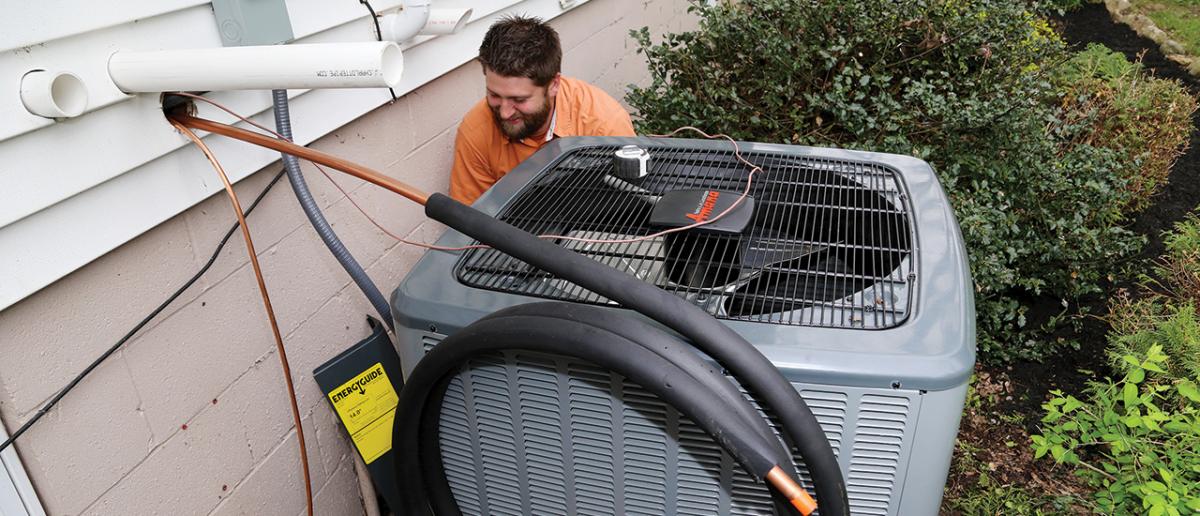
- Various HVAC units, including centralized, mini-split, and ductless systems, furnaces, and air conditioners.
- Various electronic and office equipment, such as printers and photocopiers.
Energy Star Certified HVAC Systems
When choosing HVAC units for your home, it is wise to look for products with the Energy Star certification label. This ensures that the product you’re choosing has been efficiency-tested and is recommended by the U.S. government. These trusted models reduce electricity consumption by nearly 20%.
These certified systems have duct sealing, which saves heated/cooled air from being wasted. Air sealing in certified HVAC-installed buildings or homes prevents outside air from entering. This feature saves about 20% more energy than standard equipment.
How Does Energy Star Certify HVAC Systems
For any HVAC product to earn the Energy Star certification, it must meet some required standards and follow strict guidelines in production and performance. It must also meet the EPA’s specifications.
- The product must deliver increased energy savings for all consumers nationwide.
- Consumers should see savings on their electricity bills.
- Products must meet consumers’ expectations and demands regarding performance and design.
- Use of multiple technologies offered by more than one manufacturer to ensure energy efficiency.
- Products can be tested at any time for performance and electricity consumption.
- Consumers must be able to distinguish certified products from non-certified ones through visual labeling.
Energy-Certified New Homes
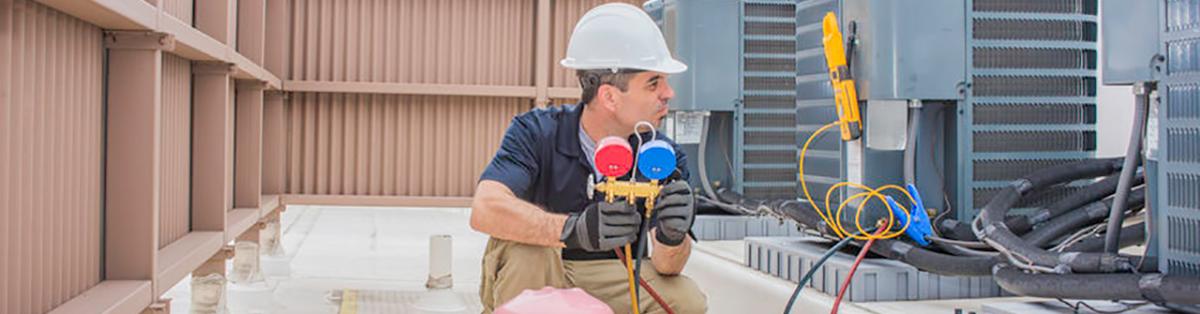
Energy Star-certified new homes come with high-efficiency HVAC systems, a complete thermal enclosure, a water protection system, efficient lighting and appliances, and regular inspections by HVAC professionals.
These homes are 10% to 20% more energy-efficient than uncertified homes while providing a high quality of life and comfortable living. Energy Star has partnered with about 2,800 builders, developers, contractors, and housing plants.
Since 1992, over 2 million Energy Star-certified homes have been built. The EPA also provides trusted guidance and online tools to help homeowners make informed decisions about improving the energy efficiency of their existing homes.
How Energy Star Improves the Efficiency of Existing Homes
You can have your home go through an Energy Star assessment. This is the first step toward improving your home’s efficiency and reducing electricity costs. The contractor will visit your home to conduct an inspection, which might include:
Combustion Appliance Test
They will use diagnostic tools to check your heating/cooling systems, water heating units, ovens, and other kitchen appliances.
Visual Inspection
They might also suggest that you have air sealing and insulation performed at your home to prevent heated or cooled air from being wasted and to reduce energy costs. A blower test will also check your home for air leakages.
In accordance with Energy Star guidelines, the contractor will recommend the required changes and replacements and provide an estimate of the cost.

Home Performance with ENERGY STAR
Contracting companies partnering with Home Performance through the ENERGY STAR program have earned the GoldStar label from the Building Performance Institute (BPI), a national resource for building science and technology that improves the energy efficiency of homes.
A BPI GoldStar-certified contractor is skilled and will recommend the appropriate measures at an appropriate cost.
How Does the Energy Star Program Help Denver Homeowners?
This program has been successful in nurturing economic development, enhancing competitiveness, and fostering a healthy environment. ENERGY STAR-certified products, homes, buildings, and industrial plants have helped save thousands of American families and businesses nearly 430 billion kilowatt-hours of electricity and avoid $35 billion in energy costs in 2018 alone.
In terms of providing employment, according to the U.S. Energy and Employment Report, more than 800,000 Americans are now employed in producing or installing ENERGY STAR-certified appliances across the country.