



The U.S. Energy Information Administration reports that heating and cooling account for more than half of a home’s energy use. Small improvements in efficiency can result in significant savings for you. A Furnace tune-up in the Fall turns these improvements into real money saved.
By performing a Furnace Tune Up in Fall, you can use less energy, avoid repairs, and get your furnace winter-ready before the cold weather arrives. Just cleaning or changing filters can reduce energy use by up to 15%. A professional tune-up in the fall includes inspecting the burners, heat exchanger, blower, and other components. It also involves cleaning drain lines and looking for pests.
Experts recommend having your system inspected twice a year: once in the fall for heating and once in the spring for cooling. This keeps your system running smoothly and securely. A Furnace tune-up in the fall means spending less, staying warm, and breathing easy all winter.

Key Takeaways – Furnace Tune Up in Fall
- Heating and cooling can account for over half of home energy use, so a Furnace Tune Up in Fall delivers outsized savings.
- Filter cleaning or replacement can reduce energy consumption by 5–15% at a minimal cost.
- Fall furnace maintenance finds small issues early, helping you avoid mid-winter breakdowns and emergency fees.
- Annual service supports the warranty requirements that many manufacturers expect.
- Autumn furnace tune-up enhances safety by conducting heat exchanger and venting checks to minimize the risk of carbon monoxide exposure.
- Regular fall HVAC tune-up helps your system last longer and perform better when temperatures drop.
- To schedule locally, contact JD’s Plumbing, Heating and Air Conditioning at 720-735-9170.
What a Furnace Tune Up In Fall Includes for Maximum Savings
If you want your home to be warm and your bills to be low this winter, a fall furnace inspection can make that happen. It detects and repairs wear, removes dirt, and adjusts settings before it gets really cold. This check-up also helps ensure warranty compliance and ensures your furnace operates safely.
A technician will review a detailed checklist during a fall maintenance visit to improve your furnace’s performance and ensure smooth airflow. You’ll get a report showing how your furnace is doing, with clear notes and advice for keeping it in good shape.
Cleaning burners, heat exchanger, and furnace interior/exterior
Dirt on the burners and the heat exchanger can disrupt the flame and heat distribution. A maintenance visit includes cleaning these parts, vacuuming inside the furnace, and wiping down the outside. This helps your furnace heat up faster, use less fuel, and run less often.
Checking thermostat operation, calibration, and leveling
Even a slightly wrong thermostat can lead to wasted energy. Maintenance includes ensuring your thermostat works correctly, is accurate, and is perfectly level. This means your furnace will run at the right level, keeping your home comfortable as soon as the temperature drops.
Replace or clean air filters for proper airflow
Dirty filters strain the furnace and can cause uneven heating in your home. Checking your furnace’s filter to ensure it’s the right size, in good condition, and fits well is part of the fall check-up. New filters keep the air in your home cleaner, protect your furnace components, and help them last longer.
Inspecting vents and exhaust for blockages
For safe heating, it’s important that vents and exhaust paths are clear. Service personnel will look for anything, such as nests or debris, that could block these paths. Keeping vents clear is crucial for your furnace to work properly and safely.
Also, experts will often check and tighten electrical connections, ensure the gas line is in good condition, lubricate moving parts, and test the fuel mixture. This detailed maintenance helps identify small problems early and keeps your furnace ready when temperatures drop significantly.
To book a detailed fall furnace check-up and get a clear report of the service, call JD’s Plumbing, Heating, and Air Conditioning at 720-735-9170.
How Fall Furnace Maintenance Lowers Your Energy Bills
You want steady warmth with lower bills. Fall furnace maintenance helps by reducing waste and reducing strain. A technician checks everything during a fall check-up. They ensure clean burning, correct settings, and smooth airflow. This means your system doesn’t work as hard to keep you warm.
Reducing system strain from dirt, clogs, and worn parts
Dirt and grime reduce your furnace’s efficiency. Clogs and old parts slow down the blower, causing overheating. During a fall tune-up, a technician cleans your system. They change old filters, oil moving parts, and secure electrical connections. This helps your furnace run smoothly with minimal effort.
This care reduces sudden stops due to heat and makes your furnace quieter. It helps maintain a steady temperature with fewer start-and-stop cycles. This cuts down energy waste.
Improving efficiency to cut heating costs by up to 20%
Cleaning filters can reduce energy use by 5-15%. Adding checks and adjustments yields total savings of nearly 20%. It depends on your system and house. Maintenance ensures fuel is used efficiently. So, you get more heat for every bit of energy.
This detailed pre-winter check ensures your heating is efficient. You get reliable warmth at low cost.
Optimizing airflow and duct sealing to minimize waste
Blocked ducts send warm air where you don’t need it. A maintenance visit includes checking and sealing ducts. This stops heat loss. Even airflow also improves comfort in remote rooms. So, you won’t feel the need to turn up the heat.
Combining duct care with a furnace tune-up keeps warmth where you want it. Treating both the system and delivery paths reduces waste. This way, you stay cozy without high bills.
| Action | Primary Benefit | Typical Impact on Bills | Why It Matters |
|---|---|---|---|
| Filter replacement and cleaning | Restored airflow | 5–15% reduction | Reduces blower strain and short cycling |
| Burner and heat exchanger cleaning | Efficient combustion | 2–6% reduction | More heat from the same fuel input |
| Thermostat calibration | Accurate cycling | 1–3% reduction | Prevents overshooting and excessive run time |
| Duct inspection and sealing | Improved delivery | 3–10% reduction | Stops heated air from leaking into unconditioned spaces |
| Blower lubrication and electrical tightening | Lower mechanical load | 1–4% reduction | Cuts resistance and keeps motors running efficiently |
Why Tune-Ups Prevent Breakdowns During Peak Cold
When the first real freeze hits, your heater feels the strain. A tune-up in autumn reduces this risk. It fixes the small issues that grow under heavy use. You also prepare the furnace for winter to avoid parts and labor issues when temperatures drop.
Identifying small issues before they become costly repairs
A thorough check allows a technician to identify worn belts and loose wires. They can also spot failing ignitors and other problems. Fixing these in the fall costs less than in winter. A timely furnace service for winter stops small issues from getting worse.
Clearing exhaust and sensors to avoid no-heat emergencies
Clogged exhausts and sensors can shut down your heating. Cleaning them in autumn stops this. It keeps your system running smoothly on cold nights.
Ensuring reliability before unexpected cold snaps
Booking a check-up early is smart when parts and slots are scarce. You prepare the furnace for winter by checking the airflow and sensors early in the season. This way, your home stays warm without waiting.
| Issue Caught in Fall | Risk During Peak Cold | Preventive Action |
| Intermittent starts and no-heat calls | Test ignition, tighten connections, verify sequencing | Reliable starts when demand spikes |
| Blocked flue or drain | ||
| Safety shutdowns and carboning | Clear obstructions, confirm venting, check pressure switches | Steady heat without nuisance trips |
| Dirty flame sensor | ||
| Short-cycling and lockouts | Clean sensor and calibrate readings | Clean the sensor and calibrate readings |
| Worn belt or blower bearings | ||
| Poor airflow and overheating | Inspect belt tension, lube or replace bearings | Quieter, efficient airflow |
| Thermostat miscalibration | ||
| Temperature swings and wasted energy | Calibrate, level, and verify cycles | Even comfort and fewer cycles |
| Clogged filter | ||
| Strain on blower and higher bills | Strain on the blower and higher bills | Reduced stress and lower costs |
Call JD’s Plumbing, Heating, and Air Conditioning at 720-735-9170 to schedule an autumn tune-up. Choose our trusted furnace service to prepare your furnace for winter before the cold sets in.
Furnace Tune Up in Fall
Get your furnace ready for winter in the fall. It’s the best time for a thorough check-up. Your furnace will undergo a comprehensive inspection, thorough cleaning, safety testing, and performance checks. This is important for gas, oil, or electric heaters, helps with energy use, and prevents unexpected issues in cold weather.
It’s recommended to service your HVAC twice a year. Once in the fall for heating and once in the spring for cooling. Booking early means you avoid higher costs during busy seasons. A simple checklist can make sure filters, vents, and controls are set for efficient heating.
Maintenance before the busy season means you save money and avoid delays. A typical service costs between $70 and $200. Yearly plans range from $150 to $500, depending on your needs.
| Service Window | What You Gain | Typical Cost Range | Notes |
|---|---|---|---|
| Early Fall (September–October) | Faster scheduling, full diagnostics, better efficiency | $70–$200 | Pairs with a fall HVAC checklist for consistent care |
| Peak Cold (November–January) | Emergency response if needed | Higher due to demand | Slots are limited; parts may take longer |
| Annual Plan | Spring cooling and Furnace Tune Up in Fall, priority service | $150–$500 | Pairs with a fall hvac checklist for consistent care |
Extend the Life of Your Heating System with Seasonal Furnace Maintenance
A few wise steps each fall can make your furnace last longer. Regular care reduces wear on parts, ensuring smooth operation in cold weather. This maintenance means comfort all winter, without worries.
Reducing wear from overwork and dirty components
When parts are dirty, your furnace works too hard. Cleaning it in the fall prevents friction and heat stress. This results in reduced running time and more stable temperatures, extending product life.
How annual service can extend lifespan by 30–50% or more
Furnaces typically last 15–20 years, but regular maintenance can extend their lifespan. Annual check-ups can make your system provide heat for much longer than expected. This can increase its life by up to 50%, as seen in studies by Carrier, Trane, and Lennox.
The long-term ROI compared to premature replacement
Seasonal checkups are cheaper than buying a new furnace. They keep parts clean and in line, helping you put off an expensive replacement. Regular maintenance also keeps your warranty valid, saving money on parts and labor.
Protect your investment with JD’s Plumbing, Heating and Air Conditioning at 720-735-9170.
Enhance Home Comfort Before Winter Arrives
As winter approaches, your home should be warm and comforting. Getting your furnace ready by scheduling a fall tune-up is wise. This ensures that heat spreads evenly throughout your home. A fall HVAC checklist will help you prepare for a cozy, balanced winter without temperature fluctuations.

Steady, even heating when temperatures drop
A well-adjusted blower and thermostat mean rooms warm up together. Technicians ensure airflow is correct, reducing the need for frequent thermostat adjustments. With a fall tune-up, your furnace keeps a steady temperature with less effort and noise.
Sealing duct leaks and weather-stripping to stop drafts
Leaks in ducts can allow warm air to escape and cold air to enter. Sealing these leaks and using weatherstripping on doors keeps warm air inside. These actions help your furnace operate more efficiently and prevent it from turning on and off too often.
Maintaining airflow to keep rooms consistently warm
Keeping filters clean and returns clear helps air move smoothly. This consistent airflow ensures even warmth, allowing your furnace to run more efficiently. Include these steps in your fall HVAC checklist to keep your home warm on every floor.
Safety First: Carbon Monoxide and Combustion Checks
Your safety starts with detailed tests and clear documentation. A fall furnace inspection goes beyond a simple check. Technicians ensure the combustion is safe, vents are clean, and alarms are set before the cold season.
Why CO detectors and annual inspections are essential
Carbon monoxide is invisible and odorless, so multiple safeguards are essential. Yearly tests confirm that everything vents correctly. They ensure that detectors and smoke alarms work effectively together.
It’s important to keep the area around your furnace clear, at least three feet. This reduces fire risk and lets air move freely. Such steps link furnace safety to maintenance to prevent winter surprises.
Spotting cracked heat exchangers and blocked vents
A crack in the heat exchanger means gases could escape. Fall inspections look for corrosion, hotspots, and unusual odors that suggest problems may be developing.
Issues such as blocked flues or nests can cause backdrafts and poor indoor air quality. Seasonal care spots these issues early, ensuring exhaust escapes properly.
Professional testing to protect your family’s health
Certified techs check CO levels, adjust the air‑fuel mix, and look at combustion efficiency. This helps lower emissions and save fuel. A detailed check before winter offers peace of mind.
| Safety Check | What It Detects | Benefit to You | When It’s Done |
|---|---|---|---|
| CO detector verification | Sensor failure or expired units | Early warning against CO exposure | During furnace inspection in fall |
| Heat exchanger assessment | Cracks, corrosion, thermal stress | Prevents combustion gas leaks | With seasonal furnace maintenance |
| Venting and flue review | Blockages, loose joints, backdraft | Stable draft and cleaner indoor air | Before furnace service for winter |
| Combustion tuning | Rich/lean mix, excess CO, weak flame | Lower emissions and fuel waste | At annual tune-up appointment |
| Clearance and area check | Stored flammables, poor airflow | Reduced fire risk and steady burn | Every service visit |
Maintain Your HVAC Warranty with Fall Furnace Maintenance
You expect your warranty to support you when parts fail. Most brands only offer this support if you’ve done your fall furnace maintenance. Getting a fall HVAC tune-up proves that you’ve maintained the system, keeping your coverage valid if issues happen.
What counts as proof? Details such as detailed visit notes, recorded filter changes, combustion checks, and efficiency tests are important. Resources such as annual furnace maintenance guidelines emphasize the importance of regular cleaning and inspections. Your documents must demonstrate these activities.
Yearly tune-up requirements many manufacturers expect
Companies like Trane, Carrier, and Lennox typically require an annual inspection by a professional. A fall HVAC maintenance visit includes safety assessments, burner and exchanger inspections, and verification of proper airflow. This maintenance ensures your system meets warranty requirements.
- Annual check-up completed before it gets cold
- Details on inspection, cleaning, and control adjustments were recorded
- Dates and part numbers for filter replacements are noted down
Keeping service records to avoid voided coverage
Well-kept records can expedite claims and clarify matters. It’s smart to save invoices, technician reports, and photos related to your maintenance. Keep digital versions on hand to share easily during claim reviews.
| Documentation Item | Why It Matters | What Adjusters Look For |
|---|---|---|
| Invoice with date and company license | Acts as visual evidence of the condition | Date of service within the last year by a licensed company |
| Checklist from the tune-up | Indicates adherence to manufacturer’s guidelines | Noted combustion, airflow, and safety checks |
| Receipts for filters and parts | Status of key parts like the heat exchanger and burners | Right size, MERV rating, and replacement timing |
| Notes on how efficiently it runs | Provides a baseline for performance | Performance before and after, showing it runs right |
| Photos taken by the technician | Acts as visual evidence of condition | Acts as visual evidence of the condition |
Maintaining accurate records also enhances the long-term value of your system. Annual checks can reduce breakdowns and raise efficiency. This proves you’ve met upkeep requirements each year.
The Fall HVAC Checklist: Prepare Your Furnace for Winter
Having a clear plan makes your home run smoothly. A detailed fall HVAC checklist prepares your furnace for winter. It helps save energy and ensures you have reliable heat when it gets cold.
Start with the basics. It’s key to replace or clean air filters every 1–3 months. The amount of use and indoor air quality will guide you. Ensure there’s at least three feet of space around the unit for airflow. It’s also crucial to ensure your thermostat settings align with your routine. Testing smoke and carbon monoxide detectors is vital for safety.
Professional furnace maintenance is essential. A skilled technician will handle many tasks. They clean burners, lubricate parts, and check electrical connections. They’ll also ensure everything runs smoothly before winter begins.
Don’t forget your ducts. Inspecting ducts is important because leaks and gaps can lose heat. Fixing these ensures your house stays cozy, quiet, and efficient. This is a key step in winter preparation.
Scheduling early is wise. Schedule your furnace tune-up in the fall before the cold season to avoid delays and ensure everything is ready. Prices vary by service type and location. For reliable service, contact JD’s Plumbing, Heating, and Air Conditioning at 720-735-9170.
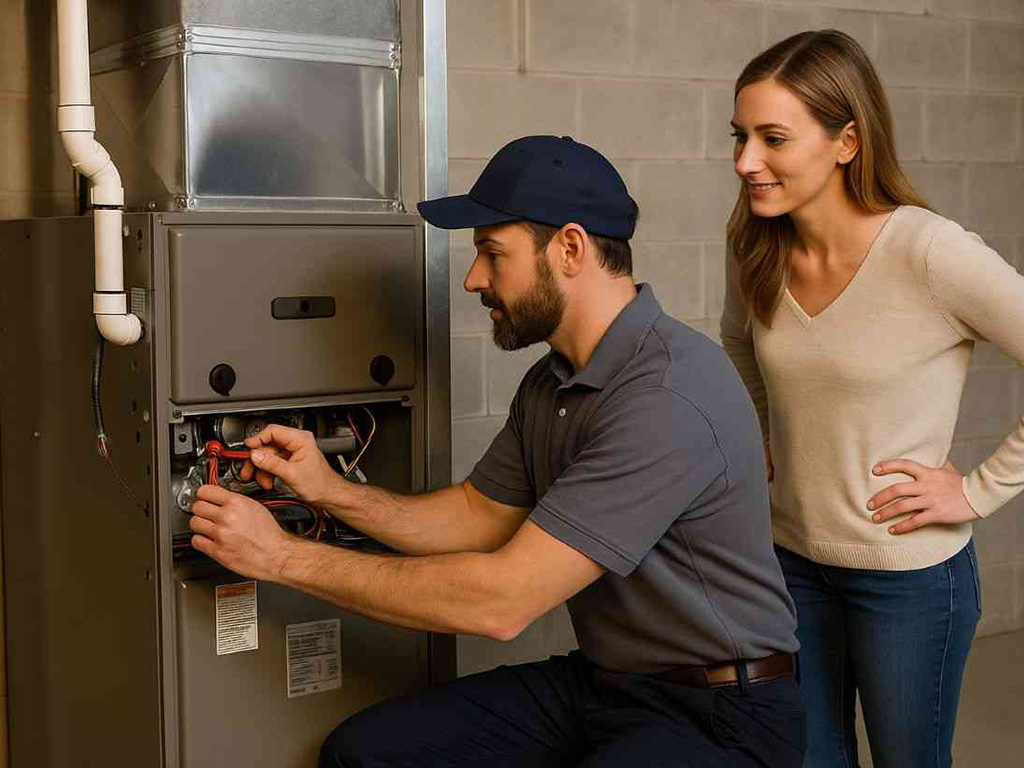
With careful planning and timely maintenance, you can keep your home comfortable. This also helps you manage your expenses more effectively as temperatures drop.
Regional Reality: Fast Weather Swings Demand Early Service
Quick changes from warm afternoons to cold nights put stress on your system. A fall HVAC tune-up prepares your equipment for heavy use. This avoids the rush when everyone seeks furnace service for winter.
From mild days to sudden snow—why timing matters
Igniters, sensors, and venting systems require checks after months of disuse. An autumn furnace tune-up ensures safe operation and constant airflow. It lets you avoid emergency repairs and keeps your system running smoothly.
In regions with rapid weather shifts, like the humid subtropical areas, early checks maintain high efficiency. As outlined in this seasonal HVAC guide, planning and a fall tune-up control your bills and maintain comfort.
Beating the rush and ensuring parts availability
Booking your furnace service before the cold hits means less waiting and better parts availability. Suppliers currently have ample parts in stock, but that changes when demand spikes. An autumn tune-up prevents paying more during emergencies and facing delays.
Cost Savings Beyond Energy: Repairs, Plans, and Priority Service
Planning ahead lowers overall costs. A fall HVAC tune-up and regular maintenance prevent unexpected bills. They keep your comfort steady and budget safe. Small fixes won’t turn into big problems with routine maintenance. Your system will run efficiently and safely.
Avoiding emergency calls with preventative care
Emergency heating failures often come from missed maintenance. A fall HVAC tune-up can spot issues before they become emergencies. This saves you money and stress, ensuring your heat works when you need it most.
Service plan perks like seasonal tune-ups and priority scheduling
Annual plans offer great value, including maintenance, priority scheduling, and discounts. The cost of these plans varies by region, but they make it easy to access service. They ensure you can get help even when it’s busiest.
Budgeting maintenance to save over the long term
Regular maintenance keeps your furnace working well and protects your warranty. It helps prevent premature replacement, saving you money over time. Planning for tune-ups is cheaper than unexpected repairs.
| Cost Area | Without Preventative Care | With Plan & Tune-Ups | Why It Matters |
|---|---|---|---|
| After-Hours Service | Higher emergency fees and longer waits | Priority slots and reduced risk of no-heat calls | Faster response minimizes downtime and discomfort |
| Annual Upkeep | Unplanned, variable costs | Predictable $150–$500 plan options | Stable budgeting for seasonal furnace maintenance |
| Energy Use | Inefficient operation increases bills | Optimized system from fall HVAC tune-up | Lower utility spend month after month |
| Repairs | Late-stage failures and pricey parts | Early detection with fall furnace maintenance | Fix small issues before they escalate |
| Equipment Lifespan | Premature replacement costs | Extended service life and better ROI | Delay multi-thousand-dollar purchases |
Conclusion – Furnace Tune Up in Fall
Getting your furnace tuned up in the fall is a wise choice. It saves you money, decreases the chance of unexpected breakdowns, and keeps your home safer. A professional will clean critical components, inspect the system, and ensure airflow is adequate during maintenance. Even just changing the filter can lower your energy bill by 5-15%. A complete tune-up boosts these savings further and helps keep your warranty valid.
Starting your furnace winter prep early avoids the last-minute rush. This ensures you have the parts you need before it gets cold. With clean burners and a well-adjusted heat exchanger, your system will run smoothly. This means your rooms will stay warm without uneven temperatures. The technician will also test safety features, check for carbon monoxide risks, and replace old filters.
These maintenance steps also make your furnace last longer and reduce repair costs. This results in fewer emergency calls and dependable warmth during cold weather. Book your furnace tune-up in the fall to enjoy lower utility bills, safe use, and consistent comfort during winter.
FAQ – Furnace Tune-Up in Fall
Why does a furnace tune-up in the fall save you money?
Fall furnace maintenance helps reduce energy use. It also avoids costly winter repairs. HVAC systems can use over half your home’s energy, says the U.S. Energy Information Administration. A fall tune-up increases efficiency ahead of the cold months. It also keeps warranties valid and avoids emergency service rates.
What does an autumn furnace tune-up include for maximum savings?
A fall professional furnace check looks at everything. This includes burners, the heat exchanger, the blower assembly, and much more. Technicians also clean parts, check combustion, and airflow. They provide a performance report and any required fixes.
How does cleaning burners, the heat exchanger, and the furnace interior/exterior help?
Dust and soot reduce system efficiency by trapping heat. Cleaning helps the system operate more efficiently, use less fuel, and reduce wear on parts. This prevents breakdowns and helps your furnace last longer.
Why is checking thermostat operation, calibration, and leveling important?
A bad thermostat wastes energy by misreading temperatures. Calibration ensures it reads correctly and continues heating smoothly. This keeps your house comfy without spending too much.
How often should you replace or clean air filters for proper airflow?
Check your filters monthly and replace them every 1–3 months, depending on usage and air quality. Clean filters can reduce your system’s energy consumption by 5–15%. They also protect your furnace’s internal parts.
Why inspect vents and exhaust for blockages during fall furnace service?
Clear vents protect against hazards such as carbon monoxide. Techs ensure everything’s working properly to keep your system safe all winter.
How does fall furnace maintenance lower your energy bills?
Maintenance, such as cleaning and repairing connections, helps your furnace operate more efficiently. It reaches the desired temperatures quickly. This full care can cut heating costs by about 20%, depending on your system and house.
What reduces system strain from dirt, clogs, and worn parts?
Clearing debris, replacing filters, adding lubricant, and addressing minor issues help your furnace run smoothly. It shuts down less and heats more quietly.
How does optimizing airflow and duct sealing minimize waste?
Checking ducts for leaks helps heated air go where it’s supposed to. Sealing leaks means more heat gets to your rooms, saving money and reducing furnace work.
Why do tune-ups prevent breakdowns during peak cold?
Regular checks identify problems, such as failing parts or clogs, before they worsen. Fixing these in the fall avoids emergency repairs in cold weather.
How does clearing exhaust and sensors help avoid no-heat emergencies?
Cleaning sensors and clearing flues helps keep your system running during heavy use. It ensures proper start-up, venting, and operation without unexpected stops.
Why ensure reliability before unexpected cold snaps?
Maintenance in early fall ensures everything’s working properly. It makes sure parts are ready if the weather changes quickly. You won’t have to wait for service.
When should you schedule a furnace tune-up in the fall?
Arrange it before it gets really cold to stay ahead of demand. Doing this twice a year—once in the fall and once in the spring—keeps your system prepared.
How does seasonal furnace maintenance extend system life?
Regular care lessens heat stress and wear. Proper maintenance keeps furnaces running well for 15–20 years or more, much longer than if they’re ignored.
Can annual service extend lifespan by 30–50% or more?
Yes. Regular fall tune-ups and spring checks can add years to your system’s life. This advice comes from industry pros and manufacturers.
What’s the long-term ROI compared to premature replacement?
Tune-ups cost much less than getting a new furnace. You save on utilities, reduce repair costs, and avoid premature system replacement. This delivers strong ROI over the life of your furnace.
How does a tune-up enhance home comfort before winter?
A fall check improves how the blower works, thermostat accuracy, and how air flows in your home. It ensures even heat without hot or cold spots.
Do sealing duct leaks and weather-stripping really stop drafts?
Yes. Sealing ducts and making your home more airtight helps retain heat. It prevents furnace overwork and makes rooms feel warmer without increasing the thermostat setting.
Why is maintaining airflow key to consistent warmth?
Clean filters and clear pathways ensure air gets to every room. Good airflow reduces energy use and keeps your furnace operating efficiently. The energy efficiency benefits of electric furnaces can lead to significant cost savings on your energy bills. By optimizing your system, you not only reduce consumption but also help minimize your carbon footprint. Maintaining your furnace is crucial to creating an eco-friendly home environment.
What safety checks protect against carbon monoxide?
Techs test for CO, check draft, combustion, and the heat exchanger and venting. Always have working CO alarms on every floor.
How do technicians spot cracked heat exchangers and blocked vents?
They look closely, test combustion, and check drafts. Early detection of such issues reduces CO risks and prevents dangerous situations.
Why is professional testing vital for your family’s health?
Experts use specialized tools to identify hidden risks. Certified safety checks during fall service keep you safe all winter.
How does fall furnace maintenance protect your HVAC warranty?
Skipping annual service can render your warranty invalid. This could make you pay for parts or labor yourself.
What records should you keep to avoid voided coverage?
Keep all paperwork showing your furnace was serviced in the fall. This includes checks, cleanings, and safety tests. It helps with warranty claims if needed.
What’s on the fall HVAC checklist to prepare your furnace for winter?
Change or clean filters, keep the area around your furnace clear, make sure the thermostat’s right, and check your smoke/CO alarms. Pros will handle the rest, like cleaning, tightening, and testing the system.
Why request duct inspections and sealing recommendations?
Damaged or leaky ducts waste heat and make some rooms colder. Fixing this makes your home warmer and your system more efficient.
When should you schedule your fall HVAC tune-up?
Do it early in the season, before the cold really hits. This avoids waiting and ensures your system is fixed promptly if necessary.
Why do fast weather swings demand early service?
Units not used all summer may break down when first used. Early checks ensure they’re ready for a sudden cold.
How does early booking beat the rush and secure parts?
Scheduling early gives you better timing and helps find parts before they’re needed urgently. This avoids additional costs when temperatures drop suddenly.
How does preventative care cut costs beyond energy savings?
Fixing problems early stops big issues and late-night repair calls. It also reduces wear that can shorten your equipment’s lifespan.
What perks do service plans offer for fall furnace maintenance?
Service plans typically include seasonal tune-ups, expedited service during busy periods, and discounted repair rates. This is helpful during a busy winter.
How can you budget for maintenance to save in the long term?
Choosing an annual plan makes costs predictable. It ensures warranty rules are followed, lowers your bills, and postpones the need for a new system, saving you more in the long run.
How do you schedule a professional fall furnace tune-up locally?
For furnace service for winter in the Denver area, contact JD’s Plumbing, Heating, and Air Conditioning at 720-735-9170 to book your fall HVAC tune-up.