



With summer getting underway, it’s time for your air conditioner to do what it does best: make our hot Denver summers more manageable. This article discusses 9 Common air conditioning problems you should know about.
Of course, we’ve all experienced an HVAC breakdown on a sweltering hot day, and there are a few things more frustrating.
In addition to regular maintenance to ensure that your system is in top shape, it’s good to be aware of the most common air conditioning problems you may face in the summer months and beyond. For more information on Denver AC Repair, call 303-887-3356.
Don’t leave your comfort up to chance! Here are a few potential issues to watch for.
Table of Contents
1. Indoor Water Leaks
Water leaking inside the house is always a bad sign, and noticing it dripping from your AC unit should be a cause for concern, as it could damage the cooling system.
Causes and Solutions
There are a few reasons water might begin to leak. Sometimes, your condensation drainage pipe may be clogged, which can happen when dirt, debris, or algae build up inside it. If so, you’ll want to fix or replace the pipe.
In addition, a rusted, dented, or damaged drain pan can cause water to spill over. This issue is easy to fix with a wet or dry vacuum, or by pouring a cup of vinegar into your drain line to remove algae or dust buildup.
Cleaning your condenser coils is also a good idea and should be done at least once a year during your annual maintenance check-up.
A broken condensate pump may also be the culprit, though you’ll need a professional to identify and fix this.
2. Another Common Air Conditioning Problem is Refrigerant Leaks
Refrigerant, also called “freon,” is what helps jump-start the heating and cooling process. Unlike the gas you use in your car, however, this substance should circulate through your closed system without needing to be topped up.
Low refrigerant levels or AC refrigerant leaks can damage your AC unit, causing inefficient cooling and increasing your monthly utility bills. Worse, because this liquid is almost odorless, it might be hard to spot a leak.
If you’re concerned, check for frozen coils, off-color spots in and around the air conditioning unit, or hissing sounds, bubbling, or gurgling sounds from your unit.
Causes and Solutions
Most of the time, AC refrigerant leaks result from wear and tear caused by chemical reactions in the tubing or from factory defects. However, damage to the outside cabinet of your HVAC system may also be the culprit if your condenser coils become loose.
This is one fix you can’t handle on your own! Because refrigerant is a hazardous substance, you’ll need to contact an expert to fix the leak and refill the refrigerant on your behalf.
3. AC Runs Without Stopping
If your HVAC system won’t stop cooling the air—even when it’s reached your ideal temperature—it can make your energy use skyrocket. Luckily, this problem tends to have a few easy fixes.

Causes and Solutions
The most common reason homeowners encounter this problem is a thermostat issue.
Sometimes, a simple recalibration or adjustment to the settings is all that is needed.
Alternatively, you may need an expert to ensure that your thermostat is reading your indoor temperature correctly.
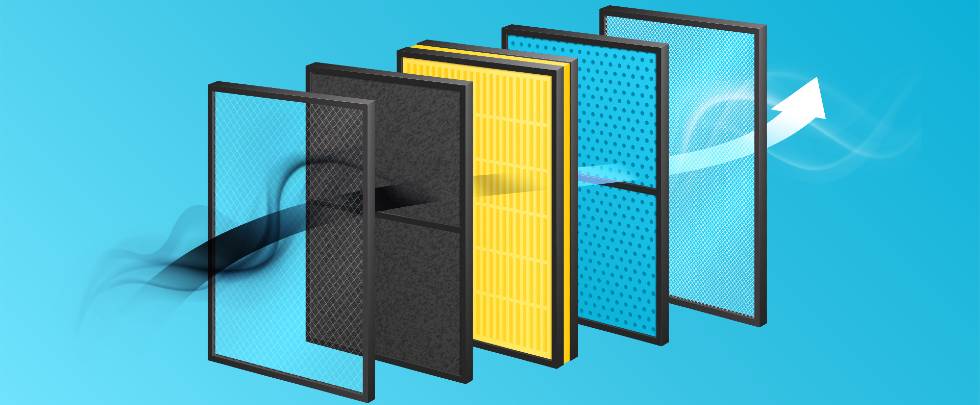
In addition, don’t forget to check your air filter. A dirty air filter can make it harder for your system to circulate air, which can cause it to run continuously to compensate.
Be sure to check for and change any dirty filters every 30 to 60 days during peak use, depending on your household makeup.
4. Leaky Air Ducts are a Common AC Problem
Your air ducts circulate air throughout your house, and the efficiency of your air intake system is only sound when those ducts can carry cold air without losing it.
Leaks and holes throughout this system of ducts may make it feel as if your air conditioner isn’t working at all, or it may even cause your unit to circulate airborne debris and contaminants instead of clean air affecting your indoor environment in a negative way.
Causes and Solutions
One common cause of air duct leaks is accidental blockages in cold-air intake systems.
Check to make sure that you haven’t moved any pieces of furniture, plants, or any other home décor in front of the vents, ducts, and registers throughout your home.
You’ll also want to look for holes around your air duct system. These gaps are most likely to occur where two pieces connect. Sealing them up with caulk or duct tape is an easy solution, though you’ll want to have a pro address the issue in the long term.
5. No Cold Air
This is one of the most common air conditioner problems: the AC is running without cooling your home.
In some cases, you may feel warm air blowing throughout the house, and in others, the air simply may not be cool enough.
Either way, some of the common culprits of this problem can cause serious damage to your AC, so it’s important to shut down your system as you begin troubleshooting.
Causes and Solutions
Faulty Electrical Connection: In most cases, this issue results from a faulty electrical connection.
Checking for tripped circuit breakers and faulty connections will sometimes get your AC up and running again. If the issue is with the thermostat wiring, you’ll need an expert to inspect it.
Clogged Air Filters: Clogged filters can also restrict indoor airflow, making your system struggle to circulate cool air.
Clogged Drain: A clogged drainage system can cause water to build up in your AC. This, in turn, can make your compressor shut down—and since your compressor is what cools your air, it can lead to warm air circulation instead. Fixing your clogged drain can resolve this issue.
Low Refrigerant Levels: As discussed above, refrigerant is what helps your HVAC system heat and cool your air, and a leak can cause your unit to provide less and less cold air over time.
Frozen Evaporator Coils: Ice buildup on your AC unit can cause your system to work double-time to compensate for reduced airflow. We’ll talk about fixing this common issue below.
6. Frozen Evaporator Coil
While most Denver homeowners will be used to hard freezes and icy weather, we’re not used to seeing ice build up in the middle of summer!
Your evaporator coil circulates refrigerant through your system in a loop, so outdoor coil freeze-ups can make it harder for your HVAC system to remove heat as needed.
This is where Denver air conditioning solutions come into play. By ensuring proper maintenance and selecting the right system for your home, you can prevent such unexpected issues and maintain a comfortable indoor environment year-round. Investing in high-quality air conditioning not only improves comfort but also enhances your HVAC system’s efficiency.
Causes and Solutions
Again, low refrigerant is a common culprit, as leaks can create a cooling effect that causes ice to build up on your evaporator coil.
In addition, you may be dealing with a dirty coil. Dirt might seem like a small issue, but enough of it can make it harder for your evaporator coil to get the airflow it needs.
Lastly, a lack of airflow can make it difficult for your evaporator coil to absorb heat from the air.
You will need a certified AC technician to inspect for a dirty air filter, leaky ducts, or a broken blower motor or fan.
7. Unpleasant Smells
Strange odors can indicate mold, drainage issues, or damage. You may notice these odors coming from your central air unit, or you may smell them when passing one of your vents or registers.
Causes and Solutions
As with many of the air conditioning problems above, you should turn your system off right away, especially if you notice the smell of burning. It might be a sign that something in your system has begun to overheat.
Likewise, acidic or electrical odors may indicate wiring issues.
Musty or moldy smells may be the result of algae, mold, or fungal growth within your system.
Cleaning your unit and replacing any dirty air filters can help eliminate these odors.
8. Strange Sounds
You’re probably used to your air conditioner’s normal range of sounds, which may include a low humming or buzzing. However, loud clangs, rattles, or clicks may indicate damage or other issues.
Causes and Solutions
Most often, following the strange sound to its source will help you identify the problem. Some of these AC issues can be DIYed, such as fixing clicking fans, rattling air filters, or loose parts, which will typically help.
However, if you can’t identify the issue—or if you think that the sound is coming from your AC’s internal components—reaching out to a team of HVAC technicians can help.
9. AC Won’t Turn On
When your AC won’t turn on at all during a sweltering summer day, it can be a frustrating problem—especially because there are so many potential causes.
Causes and Solutions
Thermostat Issues: If you’re lucky, the problem will be the work of an incorrect thermostat setting. Be sure to recalibrate your smart thermostat and skim through your settings as needed, and don’t forget to check the batteries.
Power Issues: Your electricity may be to blame, so look for tripped breakers and blown fuses first.
For ongoing power failure cases, your original installer may have laid down wires that aren’t rated for your AC’s output. An expert installation can fix this issue.
Faulty Motor: If you’ve been noticing strange noises from your motor prior to the breakdown, it may have stopped working properly. A trained technician can do a capacitor test to see whether a replacement is necessary.
Other Issues: Some of the issues we’ve discussed above, including dirty evaporator coils, clogged condenser lines, refrigerant leaks, and dirty air filters, may be to blame.
Let Us Fix These Common Air Conditioning Problems
On a hot summer day, common air conditioning problems can feel like a nightmare. Fortunately, a bit of troubleshooting is often all you need to do to keep long-term issues at bay—and as always, we’re here to help with any lingering issues!
Don’t struggle with a faulty HVAC system alone. The team at JD’s Plumbing, Heating & AC can offer top-tier maintenance and AC repair services at great rates, and we’re proud to work with residential or commercial clients throughout the Denver area.
When you need fast service to get your system up and running, contact our team to learn how we can help!
