



When scorching heat waves hit, your sanctuary of cool relief depends on a pivotal piece of technology: your AC compressor. But have you ever wondered how this critical component operates and why it’s essential to keep it running smoothly?
As the ‘heart’ of your HVAC system, the compressor’s well-being is paramount to the overall health of your air conditioning.
Understanding HVAC compressor operation, troubleshooting, and maintenance can mean the difference between a refreshing summer and a sweltering one.
Let’s dive into the mechanics behind the mighty compressor, discover the causes of compressor failure, and explore how you can identify and tackle troubleshooting AC compressor issues before they escalate.
Perhaps you’re considering the fine line between the need for compressor repair and the point of no return that signals a compressor replacement.
Whether it’s routine wear and tear or unforeseen malfunctions, knowing what to look for is the first step in ensuring your compressor keeps running.
Your comfort, pocketbook, and peace of mind hinge on the delicate balance of proactive compressor care. Learn more about the Guide to Denver AC Repair and Air Conditioner Maintenance.
As we dissect the intricacies of the air conditioner compressor and highlight the common symptoms of distress, you will become equipped with the knowledge to avert potential disasters.
By the end of this guide, the once-veiled intricacies of your AC unit will stand unveiled, and you’ll step into the role of a vigilant overseer of your home’s cooling fortitude.
Table of Contents
How Your Air Conditioner’s Compressor Works and Common Issues
At the heart of your air conditioning system, the compressor plays a pivotal role that’s often misunderstood.
Providing more than just mechanical energy, the compressor is essentially the linchpin in the complex process of cooling your home.
The Role of the Air Conditioning Compressor in Your AC Unit
The air conditioner compressor is the core of your HVAC system, continuously converting refrigerant from low to high pressure.
This high-pressure refrigerant is then condensed and recirculated back into the home, cooling ambient air as it passes over the system’s coils.
This cycle maintains a comfortable temperature in your home, regardless of the blazing heat outside.
Different Types of Home AC Compressors and Their Operation
Comprehending the HVAC compressor operation involves recognizing the three main types of AC compressors:
- Reciprocating Compressors: Utilize pistons and work like a car’s engine, with a back-and-forth movement.
- Rotary Compressors: Use rotors instead of pistons and are known for their quiet operation and compactness.
- Scroll Compressors: Contain one stationary and one orbiting scroll that compresses refrigerant through spiraling movements.
Choosing between a reciprocating, rotary, or scroll compressor can significantly affect efficiency and operational noise, impacting your home’s comfort and energy consumption.
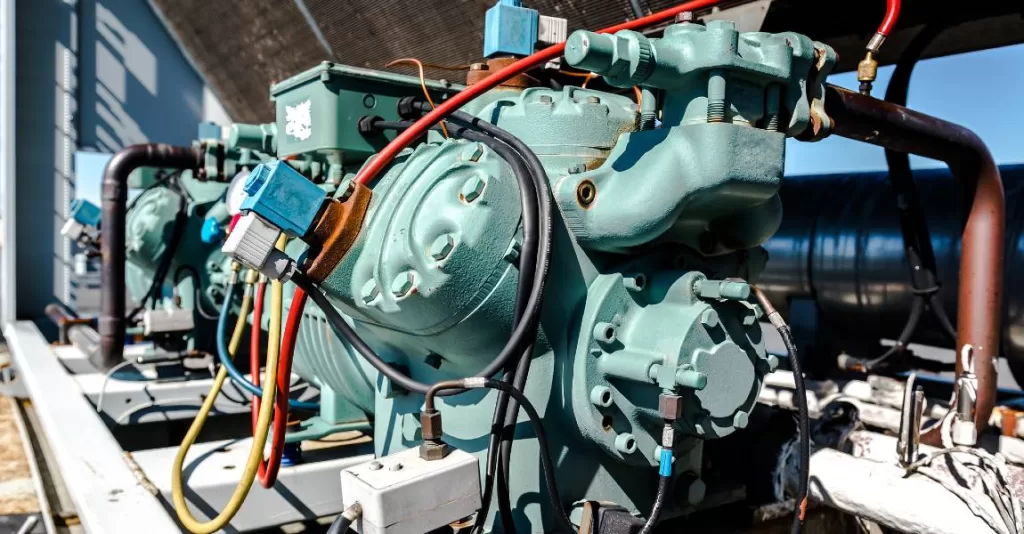
Connecting Components: Refrigerant Piping and Power Supply
The effectiveness of your AC’s compressor is not solely based on internal mechanics; external factors, such as hot air around the unit, can also affect performance. refrigerant piping and power supply connections play equally crucial roles.
High-quality copper piping ensures uninterrupted refrigerant flow and minimal thermal losses, while a steady, reliable compressor absorbs excess heat and the power supply keeps your system running without interruption.
It’s a symbiotic relationship in which the compressor, piping, and power source work together to deliver optimal cooling performance.
| Component | Function | Significance |
|---|---|---|
| Compressor | Compresses refrigerant | Raises refrigerant pressure and temperature for the refrigeration cycle |
| Refrigerant Piping | Transports refrigerant | Facilitates the flow of refrigerant through the system |
| Power Supply | Provides electricity | Ensures consistent operation of the compressor and AC unit |
Awareness and understanding of these critical HVAC components and their functions can help you maintain a healthy system that delivers uninterrupted comfort while staying prepared for potential air conditioner compressor issues.
Air Conditioner Compressor Maintenance and Troubleshooting
Keeping your compressor in top condition is essential — not only for immediate comfort but also for the long-term health of your air conditioning system.
Understanding the cooling process for AC compressor maintenance and how to troubleshoot compressors effectively can significantly reduce the risk of downtime and costly repairs.
Essential Maintenance Tips for Your AC Compressor
Regular AC maintenance is vital to maintaining your compressor’s performance.
Preventing common symptoms of compressor failure often requires intervention from an air conditioning repair specialist.
If a system isn’t cooling efficiently, follow these best practices: regularly replace the air filter, clean the condenser coils, and ensure the drainage system is clear.
Additionally, checking the thermostat settings can help maintain optimal temperatures and improve energy efficiency.
Consistent attention to these details will extend the lifespan of your air conditioning system and enhance its performance.
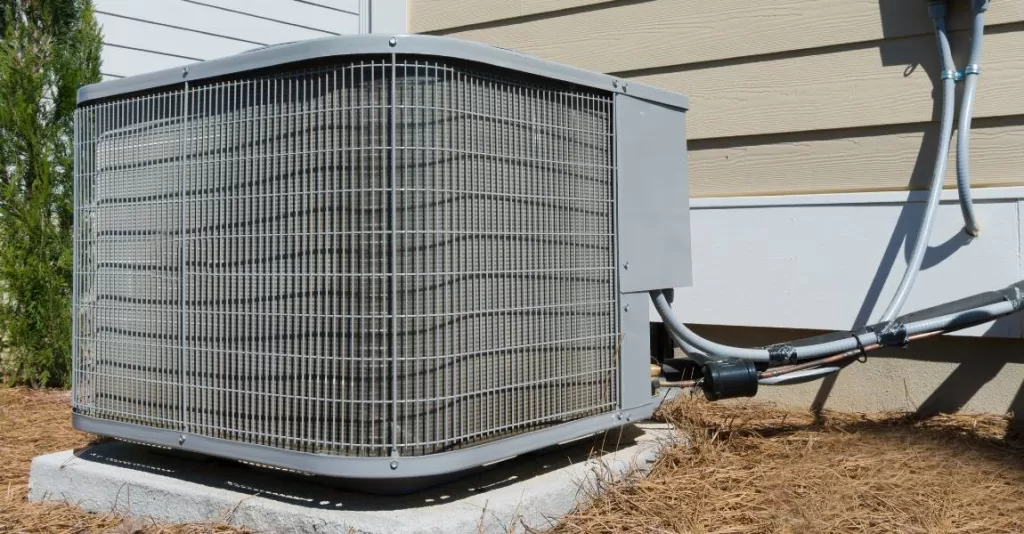
- Ensure the area around the outdoor unit is clear of debris, leaves, and other obstructions that could impede airflow, preventing the compressor from working harder.
- Establish a schedule for professional servicing at least once a year to keep the system operating at peak efficiency.
- Regularly inspect for refrigerant leaks, as a leak can cause insufficient cooling and overwork the compressor.
- Monitor and maintain adequate levels of refrigerant—too much or too little can damage the compressor.
- Need to replace air filters every 30-90 days to ensure the air circulating through the system is clean, unrestricted, and working properly.
Troubleshooting AC Compressor Problems
When faced with AC unit issues, knowing how to troubleshoot the compressor can be a major advantage.
Start by listening to unusual noises or checking if the compressor’s fan is spinning.
Electrical problems might also cause the compressor to work harder. If not, it may signal an electrical fault. Other steps include:
- Check the thermostat settings and electrical connections to ensure they are properly configured and secure.
- Inspect the capacitor; a failed capacitor can cause compressor start-up issues.
- Examine the condenser coils for ice, dirt, or debris that can impede heat transfer and strain the compressor.
- Validate the correct operation of the pressure switches, which protect the compressor from extreme conditions.
Common Symptoms of Compressor Failure
Recognizing the symptoms of a failing compressor can save time and money. Here are signs for which to be on the lookout:
- The compressor doesn’t turn off or cycles on and off more frequently than usual. This could be due to electrical issues in the building.
- Inadequate cooling despite the AC running, hinting at a compressor that’s losing its efficiency.
- Unusual grinding, hissing, or chattering noises may indicate mechanical issues in the compressor.
- An increase in energy bills, sometimes caused by an overworked compressor due to system inefficiencies.
By understanding AC compressor maintenance, staying vigilant for common symptoms of compressor failure, and adhering to a sound compressor troubleshooting process, you can avoid major disruptions and ensure your living environment remains comfortable throughout the seasons.
Key Takeaways
- Understanding the fundamentals of HVAC compressor operation is key to optimizing your AC’s efficiency. Ensuring that it can efficiently pump the refrigerant is crucial.
- Recognizing and applying compressor troubleshooting techniques can help prevent costly repairs.
- Regular Home Air Conditioning compressor maintenance is essential for extending the lifespan of your unit.
- Being aware of compressor failure causes allows for timely intervention and system checks.
- Acquiring knowledge of compressor replacement guides ensures informed decisions when repairs are not feasible.
Do I need An AC Replacement If My Compressor Fails?
Whether you need an AC replacement if your compressor fails depends on several factors:
- Age of the AC Unit: If your AC unit is over 10-15 years old, it might be more cost-effective to replace the entire system rather than just the compressor. Older units are less efficient and more prone to other component failures.
- Cost of Compressor Replacement: Replacing a compressor can be expensive. If the cost of replacing the compressor exceeds half the cost of a new unit, it may make more sense to invest in a new system.
- Warranty: Check if your compressor is still under warranty. If so, the manufacturer may cover the replacement cost, making it more cost-effective to replace only the compressor.
- Efficiency: Newer AC models are significantly more energy-efficient than older units. Upgrading to a new system can reduce energy bills and improve cooling performance.
- Overall Condition: Consider the overall condition of your AC unit. If other major components are also showing signs of wear, replacing the entire system could prevent future breakdowns and reduce maintenance costs.
Consulting a professional HVAC technician can provide a detailed assessment and help you make an informed decision based on your specific situation and the best time for an Air Conditioning Replacement.
Conclusion
The role of the air conditioning compressor within your air conditioning system cannot be overstated—it is effectively the heart of your HVAC unit, propelling refrigerant through the system to cool your home.
Reduced performance or a complete compressor malfunction can cause discomfort, especially in summer heat.
That’s why a clear understanding of the AC compressor’s operation, along with diligent maintenance and close monitoring of signs of distress, is non-negotiable to ensure a healthy AC system.
Abiding by the maintenance tips highlighted earlier, such as keeping the area around the outdoor unit free of debris and securing regular professional check-ups, will lead to prolonged compressor efficiency.
Regular checks can also identify potential electrical problems.
Equally, awareness of how to troubleshoot common issues ensures you can respond swiftly to prevent compounding problems.
Signs such as a continuously running compressor or unusual noises shouldn’t be ignored, as they can be harbingers of imminent system failure.
Should you face substantial challenges with your compressor, it is prudent to seek the expertise of a certified air conditioning repair professional.
HVAC technician. They have the necessary experience and tools to accurately diagnose the issue and perform repairs safely and effectively.
By managing your air conditioner’s compressor with care and responding appropriately to any issues that arise, you’ll maintain a cool, comfortable environment in your home. The evaporator coil plays a crucial role in this process.
Contact Us
If you have any inquiries about the functions and problems of home Air conditioning compressors, please contact JD’s Plumbing, Heating, and Air Conditioning at 303-887-3356 for expert service and advice.
FAQ
How Does The Compressor Work In An Air Conditioning Unit?
The compressor in an air conditioning unit increases the temperature and pressure of the refrigerant vapor, enabling it to evaporate and produce cool air for your home.
What Are The Different Common Types Of Air Conditioning Compressors?
There are three common types of compressors: reciprocating, rotary, and scroll compressors. The scroll compressor is the most widely used in modern AC systems.
What Are The Connecting Components Of An AC System?
The connecting components of an AC system include the refrigerant piping, which circulates refrigerant, and the power supply connection.
How Can I Maintain My AC Compressor?
To properly maintain your compressor, ensure the outdoor unit is clear of leaves and debris, schedule regular servicing, and check for refrigerant leaks.
What Are Some Common Problems With Air Conditioner Compressors?
Common issues with compressors include failing to shut off, inadequate cooling, and excessive noise.
How Can I Troubleshoot Compressor Issues?
When troubleshooting air conditioner compressor issues, it is advisable to contact a professional HVAC technician for assistance.
