



Are you experiencing higher energy bills and inconsistent temperatures in your home? You may be asking How do I know if my AC Ducts are leaking? Your AC ducts may be the culprit. Leaks in your ductwork can lead to wasted energy and poor air quality.
Identifying leaks in your AC ducts is essential to maintaining a comfortable, energy-efficient home.
In this blog post, we will discuss common signs of ductwork leaks and provide tips on how to check for leaks yourself.
By addressing leaks, you can reduce energy costs and improve your air conditioning system’s performance. So, How Do I Know if my AC Ducts are Leaking?
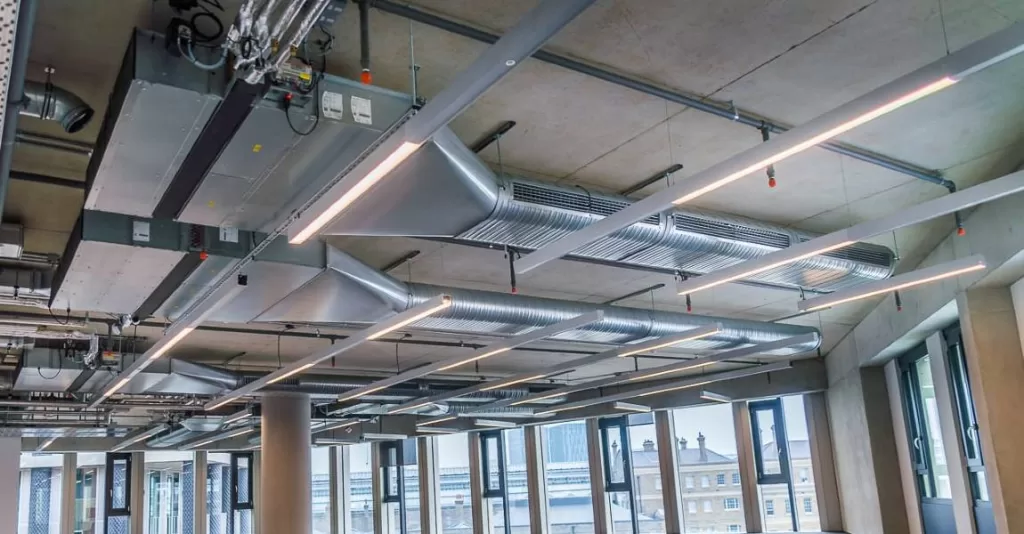
Table of Contents
What Are Ducts?
Air ducts are crucial to a building’s heating, ventilation, and air conditioning (HVAC) system. They are responsible for distributing conditioned air throughout the building, ensuring every room receives a consistent warm or cool airflow.
Air ducts are typically made of sheet metal and are designed to be airtight to prevent any leakage or loss of conditioned air. They are installed behind walls, ceilings, or under floors, connecting the HVAC unit to various registers or vents throughout the building.
The primary purpose of air ducts is to deliver air from the HVAC unit to different areas of the building.
A fan or blower moves conditioned air through the ducts, ensuring each room reaches the desired temperature.
They can also be used for ventilation, removing stale air, and introducing fresh air into the building.
In addition to air distribution, ductwork supports air filtration. Air filters are often installed in the ductwork System to remove dust, allergens, and other particles from the air before circulating throughout the building or home.
They are essential for maintaining a comfortable and healthy indoor environment.
Why Should I Care About Leaky Ducts?
Why should you care about leaky ducts? Air duct leaks can significantly reduce your HVAC system’s energy efficiency, leading to higher energy bills.
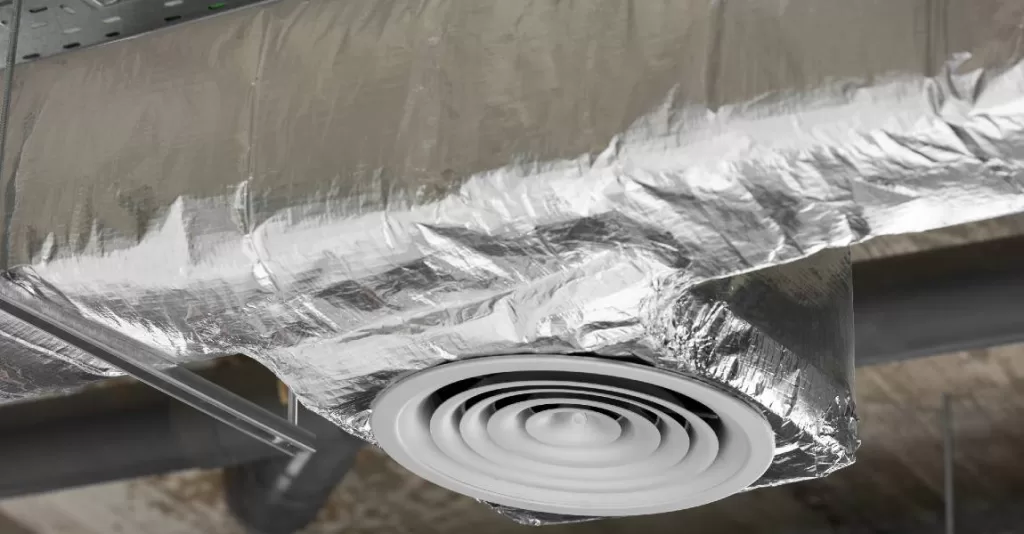
A leaky ductwork system can cause conditioned air to escape into spaces behind walls or under floors, where it is wasted rather than reaching the intended area. Leaks in the duct network also allow unconditioned air from outside.
Common Signs of Leaky Ducts
If your air ducts leak; You may notice some telltale signs, such as higher energy bills, inconsistent temperatures in different rooms and excessive dust accumulation.
Here are some common signs that may indicate a leaky duct system:
Unusually high energy bills: Basically, if your energy bills have been steadily increasing, but you haven’t made any significant changes to your lifestyle, you may have a leaky duct system.
Inconsistent temperatures: When some rooms are consistently warmer or cooler than others, it could be due to air leakage in the ducts.
Poor indoor air quality: A leaky duct system can also lead to poor indoor air quality as outside air is drawn in and circulated throughout the building. This can result in excessive dust or allergens in the air.
• Visible damage: If you can visibly see cracks, holes, or other damage to your ducts, you likely have a leak.
Uneven Heating or Cooling
Uneven heating or cooling in your home can indicate that your AC ducts are leaking.
When leaks in your air ducts, the conditioned air can escape before it reaches its intended destination, causing uneven temperatures throughout your home. This is especially noticeable when certain rooms are consistently warmer or cooler than others.
If you notice that your energy bills have been higher than usual, it could be due to air duct leaks.
To determine if your Air conditioner ducts are leaking, you can perform a simple test using a smoke pencil.
Turn on your HVAC system and hold the smoke pencil near the duct joints and connections. If you see smoke being pulled into the duct joints or blowing out of the ducts, it indicates leaks.
Another sign of a leak is air escaping from the ducts or visible damage, such as holes or tears.
If you suspect your AC ducts are leaking, it is essential to address the issue promptly to prevent further energy loss and discomfort in your home.
Duct repair is typically the most effective solution for fixing leaks in HVAC ducts. This involves sealing the leaks using specialized materials and techniques.
Professional repair services can identify and seal leaks in your AC ducts, ensuring your HVAC system operates efficiently and effectively.
The Environmental Protection Agency estimates that sealing and insulating ducts can improve your heating and cooling system’s efficiency by up to 20%.
Unconditioned Spaces in Home
Unconditioned spaces in a home refer to areas not heated or cooled by the HVAC system.
These spaces may include:
- attics
- crawl spaces
- unfinished basements
- enclosed patios
One common issue with unconditioned spaces is that they can cause air leakage, leading to energy loss and home comfort issues. When AC ducts leak into these unconditioned spaces, the problem can worsen.
Leaky AC ducts allow conditioned air to escape into unconditioned spaces, resulting in inefficient cooling and higher energy bills. To determine if you have a leak, you can perform a visual inspection or hire a professional HVAC technician.
Key Takeaway:
Signs of leaking ducts may include uneven heating or cooling, higher energy bills, excessive dust accumulation, or hot or cold spots in certain areas of the home.

High Energy Costs
High energy costs can be a significant concern for homeowners, especially regarding utility bills.
One common cause of high energy costs is leaking AC ducts. When your AC ducts leak, cool air escapes through the leaks, causing your AC to work harder and use more energy to cool your home. This can result in higher monthly utility bills as your AC system struggles to maintain the desired temperature.
If you notice a sudden increase in your utility bill or your AC system is constantly running without effectively cooling your home, it may indicate that your AC ducts are leaking and need repair.
According to the U.S. Department of Energy, up to 30% of heated or cooled air can be lost due to air duct leaks. This can result in higher energy bills and reduced comfort in your home.
Poor Indoor Air Quality
The poor indoor air quality can significantly impact our health and well-being.
Furthermore, if AC ducts leak, they can contribute to air pollutants in our homes.
These pollutants include:
- dust
- pollen
- mold spores
- pet dander
- volatile organic compounds (VOCs)
Breathing in these contaminants can lead to respiratory issues, allergies, asthma attacks, and other health problems.
It is important to promptly address any obvious leaks to improve indoor air quality and create a healthier living environment for ourselves and our families.
How to Check for Leaks in Your Duct System
To check for leaks in your ductwork, perform a visual inspection or use specialized equipment, such as a fog machine.
You can start by inspecting your ducts for visible signs of leaks, such as loose or disconnected sections, gaps, or cracks. You can also use a grease pencil to mark any suspected areas.
Alternatively, a fog machine can introduce non-toxic smoke into the ducts, revealing leaks as the smoke escapes.
Furthermore, this method is particularly effective at identifying small or hidden leaks.
By identifying and repairing leaks in your HVAC system, you can improve efficiency and reduce energy waste.
Detecting an Air Leak:
- Use a smoke pencil test to identify leaks in your AC ducts.
- Look for smoke being pulled into the duct joints or blowing out of the ducts.
- Check for air escaping from the ducts or visible damage, such as holes or tears.
What to do if you have a Leaky Air Duct System:
- Promptly address ductwork leakage to prevent energy loss and discomfort in your home.
- Duct repair is the most effective solution for fixing leaks in HVAC ducts.
- Professional repair services can identify and seal any leaks in your AC ductwork.
Air Duct Inspection
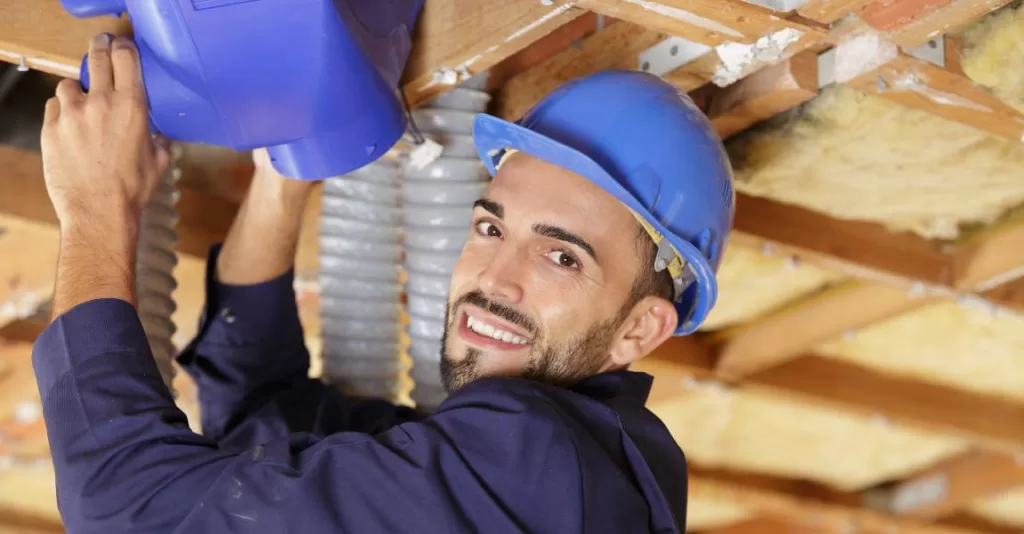
Air duct inspection assesses the condition and functionality of a building’s air duct system.
Here are some reasons why air duct inspection is essential:
Indoor air quality:
The air duct system is crucial in circulating air throughout a building. Over time, dust, dirt, allergens, and other contaminants can accumulate in the ducts.
Regular inspections help identify issues with cleanliness and air quality, enabling appropriate cleaning or maintenance measures.
Energy efficiency:
A poorly maintained or malfunctioning air duct system can lead to energy waste. Leaks, blockages, or improper insulation can cause air loss, leading to increased energy consumption and higher utility bills. Inspection helps identify inefficiencies and enables necessary repairs or improvements, ensuring optimal energy efficiency.
Health and safety:
Dirty or contaminated air ducts can contribute to poor indoor air quality, leading to respiratory issues, allergies, and other health problems.
Additional Health and Safety Issues:
- mold growth
- pest infestations
- the presence of harmful substances
Regular inspections help detect these issues early, enabling appropriate remediation to ensure a safe and healthy environment.
Equipment lifespan:
Properly maintained systems can extend the lifespan of HVAC equipment.
Regular inspection helps identify issues or malfunctions that could strain the system, enabling timely repairs or replacements. This can help avoid costly breakdowns and premature equipment failure.
Compliance with regulations:
In certain industries or buildings, such as healthcare facilities or commercial kitchens, there may be regulations or standards governing air quality and ventilation.
Regular air duct inspections ensure compliance with these regulations and help avoid potential penalties or legal issues.
Improved system performance:
A well-maintained air system operates more efficiently. It provides better airflow, temperature control, and overall comfort.
Inspection helps identify issues affecting system performance, enabling appropriate adjustments or repairs to optimize performance.
Cost savings:
Air duct inspection can help prevent costly repairs or replacements by identifying and addressing issues early. Also, it contributes to energy saving by ensuring optimal system performance. This will reduce energy wastage.
An Air duct inspection is essential for maintaining a healthy, comfortable, and energy-efficient indoor environment.
Regular inspections and maintenance can help prevent potential problems, improve air quality, and extend the lifespan of HVAC equipment.
The American Society of Heating, Refrigerating, and Air-Conditioning Engineers (ASHRAE) recommends having your air ducts inspected for leaks every 3-5 years to ensure optimal performance and energy efficiency.
Conclusion
In conclusion, if you suspect that your AC ducts are leaking, there are a few signs to look out for: reduced airflow, increased energy bills, and inconsistent temperatures throughout your home.
It is crucial to address these issues promptly to ensure the efficiency and effectiveness of your AC system.
Contact a professional HVAC technician today to schedule a service and have your AC ducts inspected and repaired.
Don’t wait until the problem worsens and results in costly repairs. Take action now to enjoy a comfortable, energy-efficient home.
