




Regardless of the type, a home heating system usually works by generating or extracting heat from a fuel source and then transferring it into the indoor space. Hence, heating systems are typically categorized by the fuel they use and how they distribute heat throughout the home. The fuel can be natural gas, propane, solar, electricity, wood, or even the ground, as in geothermal heating systems. And the distribution medium may be air or water.
Some heating systems also provide cooling during summer by reversing their working principle. It’s also worth noting that each type of heating system has sub-categories.
In this article, we look at the seven major types of home heating systems and their pros and cons to help you choose.
Table of Contents
7 Types of Home Heating Systems
- Furnaces (forced air heating systems)
- Boilers
- Heat Pumps
- In-floor radiant heating systems
- Baseboard heating systems
- Fireplaces
- Ductless mini-splits
Furnaces (Forced Air Systems)
Furnaces are the most popular type of heating systems because they’re relatively inexpensive and can use a wide variety of fuel sources to heat homes, including electricity, natural gas, and fuel oil. In addition, the ducts can be used by your air conditioner during the summer.
A furnace works by burning fuel (such as wood or natural gas) in a chamber, then distributing the heated air throughout the house using blowers. These blowers are fans powerful enough to force the hot air into the ductwork and throughout the home. For that reason, furnaces are also called forced air distribution systems. Electricity may also be used to heat the air in a furnace.
Exhaust gas is vented outside through chimneys. In older systems, the furnace consumes a lot of energy to keep the exhaust air hot enough to rise through the chimney. But modern furnaces have an inducer fan that forces air through, thereby saving energy.

Advantages of Furnaces
- Furnaces are more affordable than most other home heating systems, although the cost varies with the system’s efficiency
- A furnace can last 15-25 years before requiring a replacement
- Can cool your home during the summer months by connecting to an air conditioner or heat pump
- Although old models can waste significant energy, modern furnaces can be up to 98.5% energy-efficient, converting nearly all the fuel to useful heat
- Very quick at heating or cooling a room
- You have the flexibility of adding air filters and humidifiers
Disadvantages of Furnaces
- You would need to create spaces in the walls to install the ductwork
- Forced air systems produce noise that many homeowners do not like, although newer models are a bit quieter
- Forced air systems heat the air rather than the objects in the room
- Without humidifiers, the air can get very dry and uncomfortable
- Without filters, a furnace may distribute dust and allergens that find their way into the ducts.
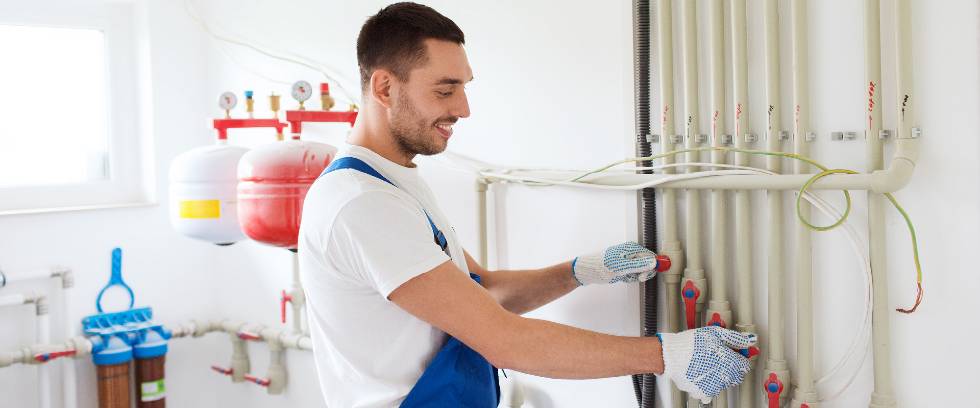
Boilers
Boilers, also known as radiator distribution systems, heat up a room by sending hot water through pipes to radiators. Like in a furnace, the water is first heated at a central location before being sent through strategically positioned pipes throughout the house. The heat is released into the room via radiators, convectors, or air handlers. Many older homes in the US use this type of heating system. It’s also pretty common in Europe. different types of residential boilers vary in efficiency, size, and fuel source, including options like natural gas, oil, and electric models. Homeowners should consider their specific heating needs and energy costs when selecting a system. Additionally, technological advancements have led to the development of more eco-friendly boilers that can significantly reduce energy consumption while providing reliable heat.
Boilers and furnaces are categorized as central heating systems because the heat is generated at a fixed point and then distributed. Both systems are similar in many respects: the main difference is that a furnace distributes heated air, while a boiler distributes heated water. Like the furnace, a boiler heating system can use different fuel sources.
Although boilers are sometimes called steam radiators, the actual steam radiators distribute heat as gaseous steam rather than water. Whichever the case, the hot water or steam cools down and returns to the radiator to be re-heated. Then the process repeats.
Advantages of a Boiler Heating System
- Boilers produce radiant heat, which many Denver homeowners find more comfortable than the heat from forced air systems.
- New boilers are highly energy efficient, with ratings up to 95%. Just avoid the older models, as these can waste up to 50% of energy.
- Boilers can last 10-15 years, although higher-end ones can last for 20 years or more.
- Boiler heating systems provide zoned heating; once you have zone controls installed, you can control which part of the home is heated.
- The air from radiation heating systems is not as dry as that from forced-air systems.
Disadvantages of Boilers
- Boilers can be expensive to install and maintain, especially when you don’t already have the radiator and piping required.
- The radiator, which is usually positioned near windows, can be unsightly and limit available furniture space.
- Boilers are used only for heating, unlike furnaces, which can provide cooling during summer.
- Boilers don’t work with filters or humidifiers, so you can’t do much to improve air quality unless you take measures unrelated to the boiler itself. However, this is not often a challenge since boilers do not release air into the home.
Heat Pumps
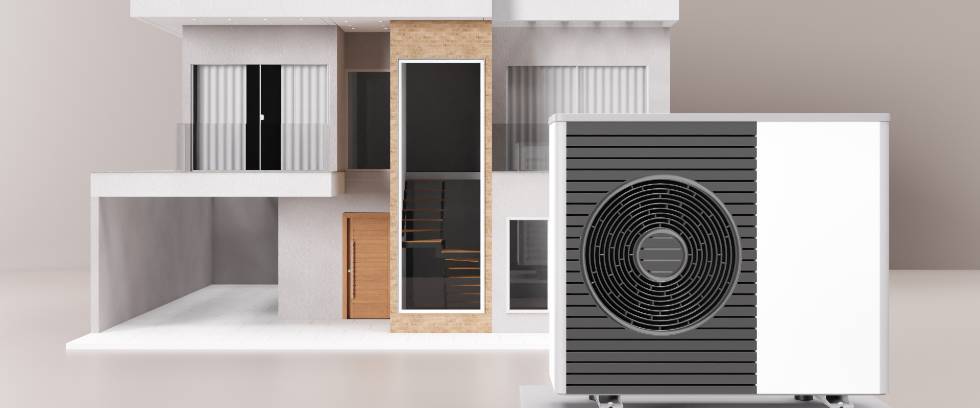
Virtually the latest technology in the world of heating and cooling is the heat pump. This type of heating system works like an air conditioner, extracting heat from the warm air outside and delivering it into your home through an air handler. During the summer months, the process is reversed: it extracts heat from the indoor air and transfers it outside, thereby lowering indoor temperatures.
Unlike furnaces and boilers, heat pumps do not generate heat but only transfer it. This heating system uses electricity as its fuel source.
You’ll find different variations of heat pumps in the market today, with slight differences. We discuss some below:
- Ducted or Air-source heat pumps – these extract heat from outdoor air via a refrigerant. As the name suggests, ducted heat pumps require a duct through which the air passes into the home. The installer may install ducts, vents, or louvers in the rooms to control airflow. Ducted heat pumps are also known as air-source heat pumps.
- Ductless heat pumps – as you might have guessed, this type doesn’t require any ductwork. A ductless heat pump is a standalone appliance, so the setup cost doesn’t affect your budget. Just place it in its position, and it does its job. Plus, the design is sleek, elevating your interior decor. With a remote control, you can alter the settings and temperature — fully digitized. A ductless heat pump is also not bulky, making it easy to install in remote parts of your room.
- Portable Heat Pumps – these are small units you can plug and use in a small space, as long as there’s a window to pass the intake/exhaust hose through. You may even decide to get one for each room or use only one by moving it wherever needed; they’re that small and portable, like a mini air conditioner.
- Geothermal heat pumps – Unlike air-source heat pumps, geothermal or ground-source heat pumps draw their thermal energy from the earth. Interestingly, the ground temperature remains almost constant year-round, allowing the heat pump to regulate the indoor temperature, whether it snows or shines. They are also called underground heat pumps. Geothermal heat pumps are some of the most energy-efficient heating systems in the market, but installation is lengthy and expensive. It makes more sense to install this type of heating system during home construction.
Advantages of Heat Pumps
- Most heat pump models are reversible, meaning you can use a unit for both heating and cooling (you don’t have to buy a separate cooling system).
- They’re relatively easy to install, especially the ductless types.
- The sleek design makes most heat pumps a far better option than radiators.
- When the weather is too cold for the heat pump to handle on its own, you can use hybrid heating by adding a supplemental furnace.
- Since heat pumps only transfer heat rather than generate it, they tend to be more energy efficient than their counterparts.
- In mild temperatures, a heat pump can help you save up to 75% on heating costs compared to a furnace or boiler.
- Very quiet
Disadvantages of Heat Pumps
- Heat pumps are best for places with mild climates as they cannot effectively regulate the temperature in very hot or cold weather.
- The initial cost can be a bit scary (but you would greatly benefit from it later, given its low installation and operational costs).
- Installing geothermal heat pumps is expensive and time-consuming.
In-Floor Radiant Heating Systems
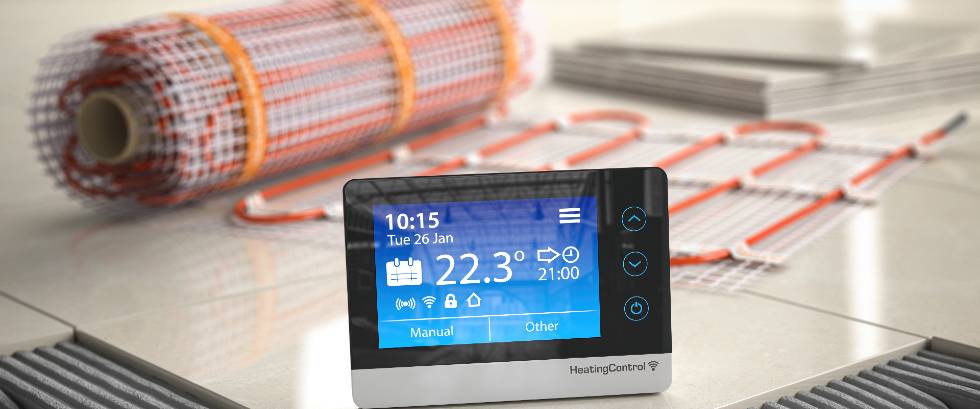
The in-floor radiant heating system works just as it sounds: tubes are installed inside the floor, and as hot water passes through the tubes, it heats the floor and then the room. The tubes can be cast within concrete floors, but for a wooden one, the tubes have to be installed above or underneath. The water heats up due to a central boiler or water heater and recycles indefinitely.
The most striking thing about in-floor radiant heating is that it heats material objects (flooring, furniture, etc.) rather than the air, unlike most other heating systems. It’s also very quiet and energy-efficient. However, it heats up very slowly, and maintenance can be challenging since the pipes are hard to access. That said, maintenance would be rare with this type of heating system, and it can last for decades.
Instead of hot water, some radiant floor heating systems use electrical wiring underneath or within the floor to generate heat. However, the heat is minimal, and most of the energy is wasted. Such systems are mostly installed in small spaces like bathrooms, where you only need your feet warm.
Advantages of In-Floor Radiant Heating Systems
- The heat is cozier and more evenly distributed than furnaces
- No chimneys are required
- Low maintenance requirements
- You can power it with a central boiler, solar, electricity, or even a heat pump
- Doesn’t distribute allergens
Disadvantages of In-Floor Radiant Heating Systems
- When problems arise, it’s hard to repair because of the hidden piping
- It takes time to heat up a room to a comfortable temperature
- In-floor heating systems are expensive and time-consuming to install
Baseboard Heating Systems
Baseboard heaters are usually installed as supplemental heating. They come in two forms, based on their distribution: hot-water baseboard heaters, also known as hydronic systems, and electric baseboard heaters.
Hot-water baseboard heaters work pretty much like radiant heating systems, but are more of an updated version. As hot water flows through the pipes, it passes through a series of baseboard heating units that radiate heat into the room via thin metallic components (fins) surrounding the pipes. This system can use fuel, solar, natural gas, propane, fuel oil, or electricity as a source of fuel.
The electric version distributes heat through electricity rather than water. Since the radiation begins at the baseboards, warm air goes up into the room while colder air moves down to be heated.

Advantages of Baseboard Heating Systems
- Although similar to in-floor radiant heating systems, baseboard heaters are more energy efficient.
- These systems require little maintenance
- Works quietly
- You can control the temperature accurately
- Hot water baseboard systems can last for several decades
Disadvantages of Baseboard Heating
- The fins around the baseboards can obstruct furniture placement and curtains.
- It does not pair well with air conditioning.
- Just like radiant floor heating, baseboard heaters take long to heat up a room.
- Electric baseboards can damage easily.
Fireplaces
As ancient as the discovery of fire, fireplaces are among the most widely used heating methods worldwide. They can create a warm, inviting countryside ambiance during cold winter nights.
Homeowners traditionally use wood as fuel, with the fumes escaping through the chimneys, but there are now gas pits that burn natural gas or propane to produce flames. Since the heating comes from a specific source and isn’t distributed by ducts, you need to position the fireplace strategically.
Gas fireplaces have a high efficiency of up to 70%. On the other hand, EPA-approved Wood fireplaces come in ceramic glass to prevent heat loss, and you can always adjust the fire intensity to your needs. And there’s the pellet stove fireplace, available in different designs—choose one that best suits your decor. It’s also as efficient as the gas model.
Advantages of Fireplaces
- Fireplaces generally have low maintenance requirements
- Wood is cheap, so the operational cost is low
- Fireplaces can elevate the decor and ambiance of a room
Disadvantages of Fireplaces
- They generally require heavy ventilation to allow the exhaust gases escape
- You’ll need to add firewood continuously as it burns out
- Although neither strenuous nor costly, cleaning should be done to eliminate soot.
- Starting the fire can sometimes take a while
Ductless Mini Splits
Most homeowners use one heating system for the entire property. But what if you don’t want to heat one room as much as another? If you have a home where the temperature varies from room to room, the perfect solution is to use ductless mini-splits.
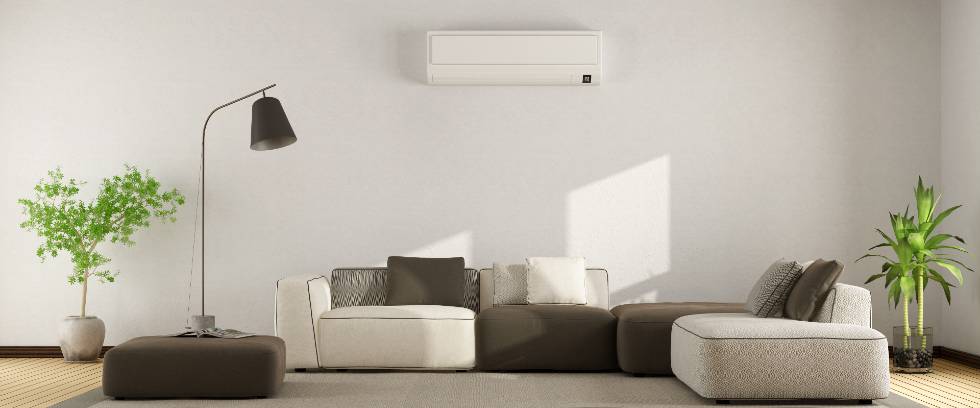
With ductless mini-splits, you can achieve zoned heating so each room has its own thermostat. So you can create separate HVAC zones for each unit. The units are ductless, so there are no worries about air ducts and pipes — super easy to install.
Ductless mini-splits are an excellent heating system for larger homes without ductwork and where the temperature varies from room to room.
Advantages of Ductless Mini-Split Heating
- Ductless mini-splits offer independent heating due to zoning
- There’s better energy efficiency since you can turn off the thermostat in rooms that do not require heating at that time
- Even with more windows and insulation in certain rooms, zoning allows for more comfortable heating throughout the entire property. Instead of overheating some rooms, you can lower the thermostat settings in those areas.
Disadvantages of Ductless Mini-Splits
- Ductless mini-splits have a heavy price tag and are expensive to install.
- The indoor units are not very sightly as there must be a drain near each unit to catch condensation.
- Short cycling may occur when the air handling units are misplaced or oversized.
How to Choose the Right Home Heating System
There are many factors to consider when choosing the best heating system for your home, including initial cost, operating costs, energy efficiency, maintenance, and durability. Since heating systems vary in all these respects, it’s worth weighing the pros and cons of each to see which appeals most to you.
For example, although pricey, a heat pump can be an excellent choice in warmer climates like Denver, where you don’t need your heating system in the highest setting. But in colder regions like the Northeast, a furnace or radiant heating will fare better.
Suppose you have an older home and are considering replacing your faulty, outdated heating system. In that case, it is more reasonable to go with modern, more energy-efficient options now available. When unsure, it’s best to talk to an HVAC professional near you. They can recommend the best heating system based on your location, budget, property size, and whatnot.

Heating Accessories to Consider
If you’ve been using an old heating system, chances are you don’t know how much easier life could be with modern furnaces. Here are some accessories you could use alongside your new home heating system. When selecting a furnace, it’s essential to consider various factors that influence your home’s overall energy consumption. You can find energy-efficiency tips for furnace selection to help you choose a model tailored to your specific needs. Additionally, investing in high-efficiency options can lead to significant savings on your energy bills over time.
Programmable Thermostats
Have you ever returned from the outdoors to a freezing home? With a ducted heating system, it can take a while to heat up a chilly room, so you have to endure the discomfort for a while. Programmable thermostats can be an ideal solution to this problem.
With a programmable thermostat, you can operate your home heating system wherever you are, whether you’re wrapping up things at the office or on the way home. That way, you can turn on your ducted heating system long before you arrive.
The programmable thermostat uses Wi-Fi and connects to an app on your smartphone. It will usually also feature scheduling so it turns on automatically at about the time you usually return home, and location-based triggers so it turns on/off based on your proximity.
Smart AC Controllers
A smart AC controller can make life easier if you opt for a ductless heating system such as a mini-split or ductless heat pump. Whether you’re lounging on your sofa or cuddling up in bed, you can control your heating from your smartphone via a smart AC thermostat. These devices offer smart features like location-based triggers, scheduling, and intelligent temperature regulation.
Humidifies and Filters
If you choose a furnace as your heating system, you won’t fail to notice how dry and uncomfortable your skin gets when you stay indoors for a long time. That’s because forced-air systems reduce indoor humidity, leading to dry air. Installing a humidifier can solve that challenge. Installing filters can also help prevent allergens from entering your home with the hot air.
What’s the Most Eco-Friendly Home Heating System?
Geothermal heat pumps are the most eco-friendly home heating system available today. They draw their heat from the earth rather than from fossil fuels and release zero emissions into the atmosphere. The cost of installation, however, is the major deterrent.
Air-source heat pumps are also highly energy efficient and eco-friendly, as they do not generate heat but only transfer it. Other heating systems that burn fuels to generate heat, such as gas furnaces, are less eco-friendly because they emit pollutants that contribute to climate change.
The Bottom Line
When it comes to heating your home efficiently, there are just so many options. And there are sub-categories within each type of heating system, so it’s easy to run into a dilemma.
Again, the best way to go is to consult with an HVAC technician near you. In addition to picking the best-fit system for you, they can also recommend the highest-quality model and even help with the installation.
JD’s Plumbing, Heating, and Air Conditioning Service is an award-winning Denver plumbing and heating contractor with extensive experience in all types of heating systems. Contact us today.
