



Introduction: Plumbing Maintenance Tips
Plumbing maintenance encompasses all proactive inspections, cleaning, adjustments, and repairs performed to keep your home’s plumbing system functioning efficiently and safely. Plumbing maintenance is essential for both residential plumbing and commercial plumbing systems, ensuring reliable operation and preventing costly disruptions for homeowners and businesses alike. For homeowners, understanding and implementing regular maintenance prevents the stress and expense of emergency repairs while protecting your property from water damage.
This guide covers preventive maintenance tasks, seasonal care procedures, and guidance on when to handle work yourself versus calling a professional plumber. Regular plumbing maintenance is also crucial for protecting your family’s health by preventing mold and mildew growth caused by leaks and water damage. Whether you’re a first-time homeowner or managing a house with aging pipes, you’ll find practical strategies to extend your system’s lifespan and avoid significant damage from neglected plumbing issues.
Direct answer: Regular plumbing maintenance involves monthly inspections, seasonal winterizing, and annual professional check-ups that prevent approximately 80% of common plumbing problems and save homeowners thousands in costly repairs. Reputable plumbing businesses in the Denver community are known for their commitment to customer satisfaction and fair price, making them a trusted choice for both residential and commercial clients.
Table of Contents
By following this guide, you’ll gain:
- Cost savings through early leak detection and prevention of emergency repairs
- Knowledge to identify plumbing issues before they become major problems
- A seasonal maintenance schedule that protects your system year-round
- Clear guidelines for DIY tasks versus when to hire professional plumbers
- Improved water efficiency that reduces monthly utility bills
- Tips for choosing a plumbing business that is trusted in the local community and values its customers
Understanding Plumbing Maintenance Fundamentals
Plumbing maintenance refers to the proactive care of your water supply, drainage, and fixture systems—distinct from reactive repairs after something breaks. Regularly maintaining your home’s plumbing system is essential to prevent leaks, avoid costly repairs, and protect your property from water damage. This approach extends the lifespan of expensive components like your water heater, prevents water stains and mold growth, and maintains consistent water pressure throughout your house.
Most plumbing pipes and faucets can only withstand up to a specific level of water pressure, usually 40-60 psi.
It’s important to note that residential plumbing systems have different maintenance requirements compared to commercial plumbing systems, as each type serves unique needs and faces distinct challenges.
As part of a comprehensive plumbing maintenance plan, you should also replace old or worn plumbing components, such as pipes or valves, to ensure optimal performance and prevent future issues.
Preventive vs Reactive Maintenance
Preventive maintenance uses scheduled inspections and care to stop problems before they occur. By catching issues early, regular plumbing maintenance can help homeowners avoid major plumbing repairs, saving money and preventing property damage. Examples include checking for a leaking pipe under sinks, insulating exposed pipes before winter, and performing annual drain cleaning to prevent clogs. This approach addresses known failure patterns—sediment buildup in water heaters, worn washers in faucets, and deteriorating supply hoses on appliances.
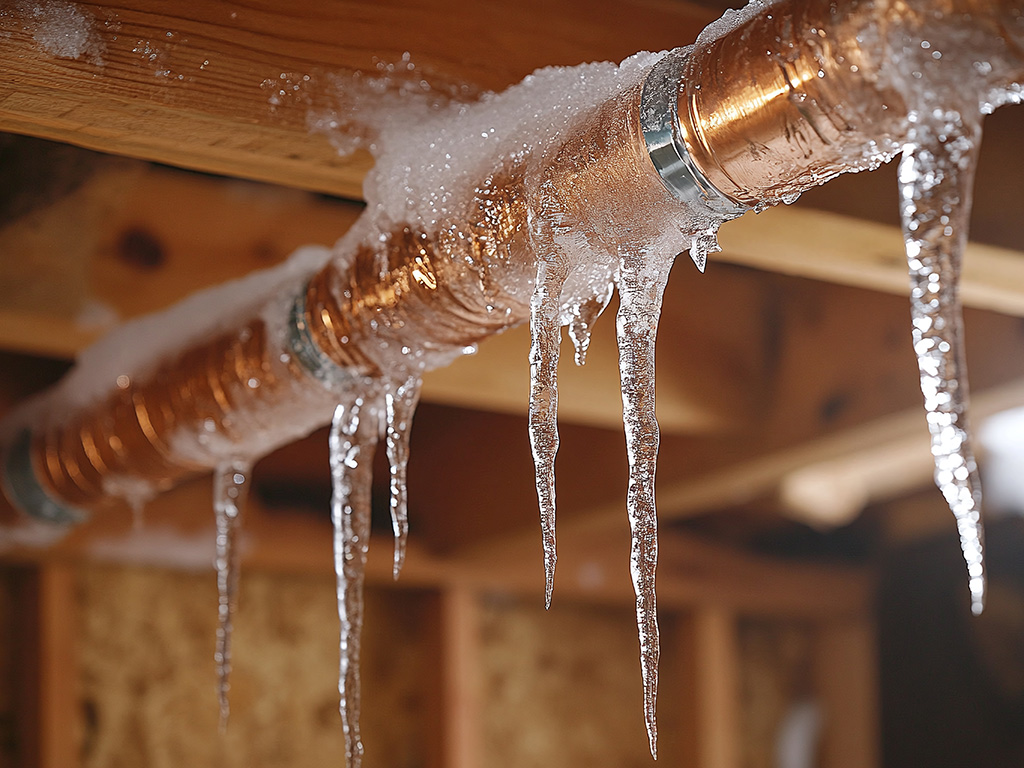
Reactive maintenance means responding after failures happen: calling for emergency repairs at 2 AM when frozen pipes burst or discovering a flooded basement from a failed sump pump. The cost comparison is stark—preventive maintenance typically saves 70% compared to emergency repairs, not counting secondary damage to floors, walls, and personal property. For homeowners, this translates to peace of mind and protected property value.
Essential Plumbing System Components
Your home’s plumbing consists of interconnected systems that all require regular maintenance:
Water supply and distribution includes the main shutoff valve, interior piping (copper, PEX, or older galvanized steel), and individual fixture shutoffs. These components operate under pressure and need monitoring for leaks, corrosion, and proper pressure levels.
Fixtures and appliances encompass toilets, faucets, showers, dishwashers, washing machines, and water heaters. Each has moving parts, seals, and connections that wear over time and represent common sources of household leaks.
Drainage and venting move wastewater out through gravity-fed pipes with traps that block sewer gases and vents that allow drains to flow freely. Clogs and blockages here cause backups that can result in significant damage.
Understanding how each component functions helps you recognize early warning signs and know which maintenance tasks keep your entire system running efficiently.
Monthly and Seasonal Plumbing Maintenance Tasks
Building on your understanding of plumbing systems, a structured maintenance schedule prevents problems through consistent attention. Breaking tasks into monthly, quarterly, and annual categories makes maintenance manageable while ensuring nothing gets overlooked.
Monthly Inspection Checklist
Monthly inspections catch problems early when fixes are simple and inexpensive. Walk through your house checking all visible plumbing connections for signs of moisture, drips, or water stains. Test water pressure at multiple faucets—significant variations may indicate blockages or partially closed valves.
Run water in each sink and tub while watching for slow drains that signal developing clogs. Check under bathroom and kitchen sinks for dampness around supply lines and drain connections. Inspect toilets for continuous running (a simple dye test in the tank reveals silent leaks that waste thousands of gallons annually). These quick checks take 15-20 minutes and form the foundation of reliable plumbing care.
Quarterly Deep Maintenance
Every three months, perform more thorough tasks that require slightly more time and attention. Test your water heater’s temperature and pressure relief valve by lifting the lever briefly—water should flow freely and stop when released. A stuck or non-functioning valve presents safety risks and requires professional replacement.
Clean garbage disposals by grinding ice cubes to remove buildup, then flush with cold water and mild dish soap. Pour hot water down drains to help prevent grease accumulation. Check washing machine and dishwasher supply hoses for cracks, bulges, or brittleness—these fail catastrophically and cause major flooding when neglected.
These quarterly tasks build on your monthly inspections and address components with slower degradation patterns.
Annual Professional Plumbing Maintenance
Certain plumbing services require professional expertise, specialized equipment, and knowledge of local codes. Annual professional inspection should include water heater flushing to remove sediment that reduces efficiency and shortens tank life. It is important to schedule annual professional inspections for both residential and commercial plumbing systems to ensure long-term reliability and compliance. A professional Denver plumber can also perform camera inspection of sewer lines to detect root intrusion, corrosion, or developing blockages.
The cost-benefit analysis favors annual professional service: a typical inspection costs $150-300, while a single emergency sewer backup or burst pipe can exceed $5,000-10,000 in repairs and remediation. Many local plumbing businesses in Denver offer maintenance agreements for both homeowners and businesses, covering annual inspections, priority scheduling, and discounts on any needed repairs. These agreements are available for both residential and commercial plumbing clients, reflecting the expertise and commitment of trusted local contractors.
Key distinction: Handle visual inspections, minor adjustments, and basic cleaning yourself. Call professionals for anything involving gas lines, water heater installation, sewer line work, or backflow prevention testing.
Understanding annual professional requirements leads naturally to seasonal maintenance, which addresses the changing stresses your plumbing system faces throughout the year.
Seasonal Plumbing Maintenance Procedures
Plumbing systems face different challenges as seasons change. Temperature fluctuations affect pipe integrity, usage patterns shift with holidays and outdoor activities, and storm cycles stress drainage systems. Seasonal plumbing maintenance is essential for the entire community, helping both homes and businesses stay prepared and avoid costly issues. A seasonal approach ensures you’re preparing for problems rather than reacting to them.
Winter Preparation and Winterizing
For Denver residents and others in cold climates, winterizing outdoor plumbing is essential before temperatures drop. Properly winterizing your home’s plumbing system helps prevent freezing and leaks, protecting your property from costly repairs. Complete these tasks by early November:
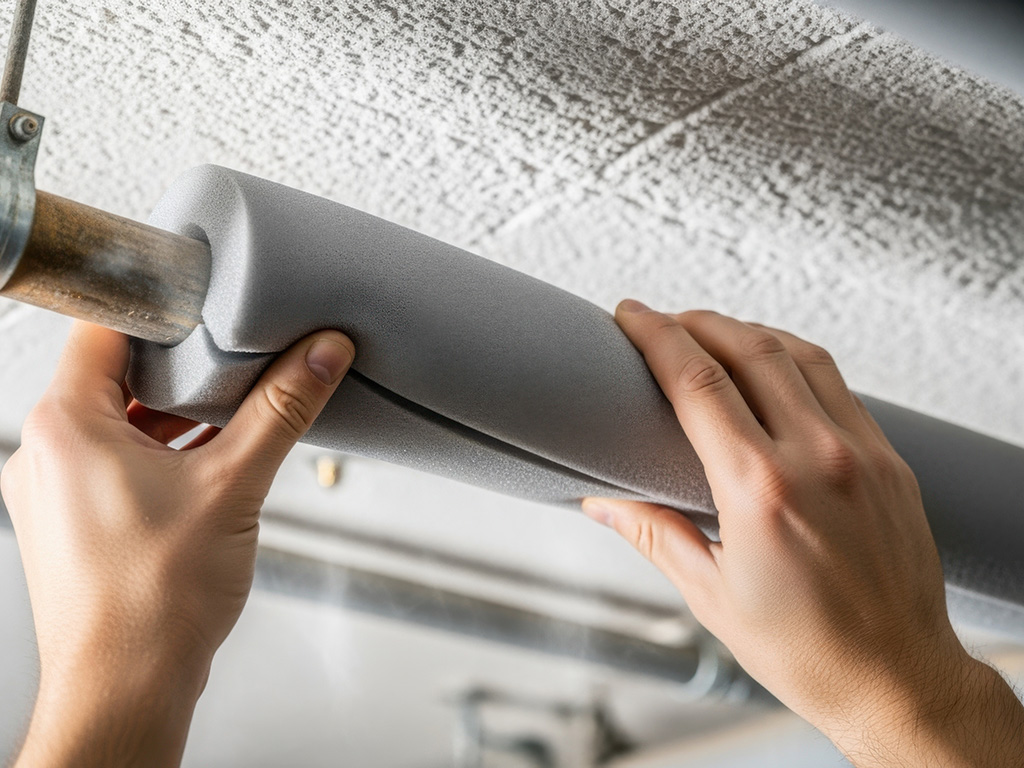
- Insulate exposed pipes in basements, crawl spaces, garages, and along exterior walls using foam pipe insulation—frozen pipes can burst and cause thousands in water damage. Be sure to replace any old or damaged pipe insulation to maximize protection.
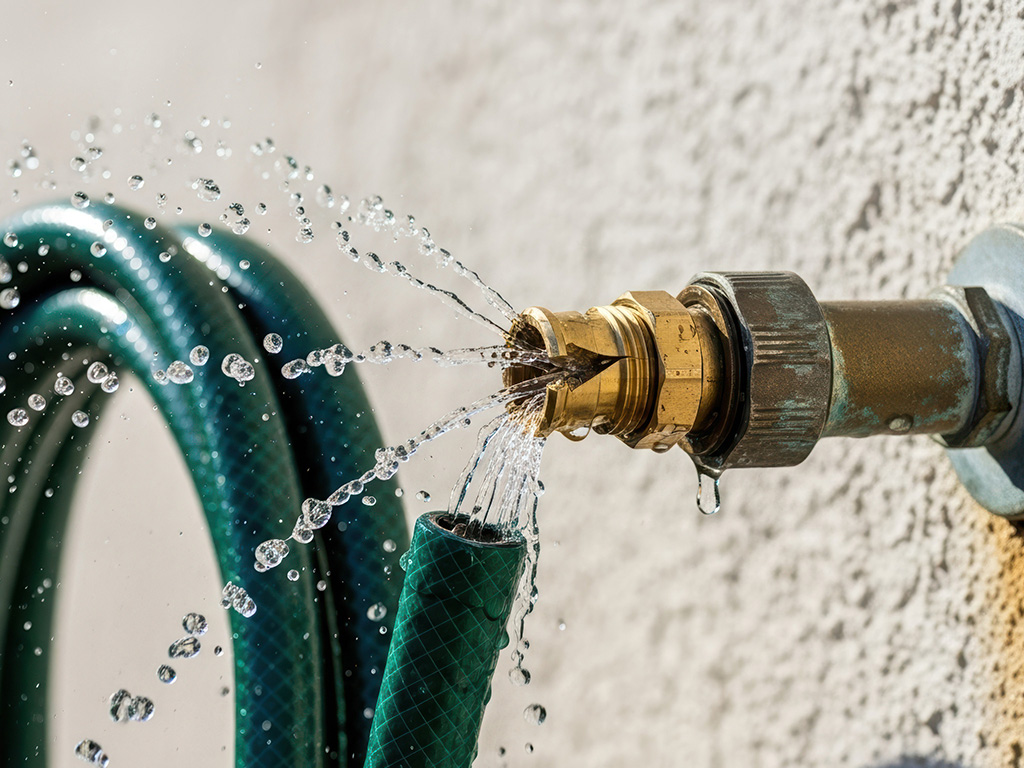
- Disconnect and drain garden hoses, then shut off interior valves to outdoor faucets and open the outdoor spigot to drain remaining water
- Set thermostat to minimum 55°F when traveling to prevent interior pipes from freezing, and open cabinet doors under sinks on exterior walls during extreme cold
- Locate and test your main water shutoff valve so you can respond immediately if a pipe bursts. Homeowners in Denver should locate and test their main water shut-off valve and individual fixture valves at least twice a year.
- Schedule water heater inspection before peak winter usage when demand for hot water increases significantly
During winter months, let faucets drip slightly during severe cold snaps and monitor for reduced water pressure that may indicate ice forming in supply lines.
Spring System Revival
After winter, assess your plumbing for freeze-thaw damage and prepare for increased outdoor usage. Commercial plumbing systems should also be inspected for freeze-thaw damage in the spring, as large-scale or enterprise-level plumbing can be especially vulnerable to winter-related issues:
Task Category | Spring Actions | Prevention Benefits |
|---|---|---|
Pipe Inspection | Check all visible pipes for cracks, leaks, or frost damage; inspect crawl spaces and basement areas | Catches winter damage before it causes significant water intrusion |
Outdoor Plumbing | Reconnect hoses, test outdoor faucets, inspect irrigation systems for broken heads or leaks | Prevents water waste and landscape damage during growing season |
Water Heater | Flush tank to remove sediment accumulated during heavy winter use; check anode rod condition | Restores efficiency and extends tank lifespan |
Drainage Systems | Test the sump pump by pouring water into pit; clear debris from floor drains; check downspout drainage | Prepares for spring rains and prevents basement flooding |
Prioritize any leaks or damage discovered during winter inspection, then address outdoor systems before regular spring and summer use begins.
Summer and fall preparation: Summer brings heavy use of washing machines, garbage disposals, and irrigation systems—monitor for strain and address slow drains promptly. Fall means preparing again for winter: schedule professional drain cleaning, consider sewer line inspection if you’ve had recurring issues, and complete winterization before the first hard freeze.
During fall, homeowners should disconnect outdoor hoses, drain sprinkler systems, and insulate unheated pipes.
Exposed plumbing pipes in unheated areas should be wrapped with foam insulation or heat tape to prevent freezing.
Water Heater Maintenance
A well-maintained water heater is essential for comfort and efficiency in Denver homes. Regular water heater maintenance not only ensures a steady supply of hot water but also helps prevent costly repairs and unexpected emergency repairs. Homeowners should schedule an annual inspection with a professional plumber to check for leaks, test the temperature and pressure relief valve, and flush the tank to remove sediment buildup. These steps are crucial for maintaining optimal water pressure and heating efficiency, especially during Denver’s cold winters when demand is high.
If you’re considering water heater installation or replacement, it’s important to choose a reliable plumbing company in the Denver metro area that offers transparent pricing and a reputation for quality work. Professional plumbers can recommend the right system for your home, handle installation safely, and provide ongoing maintenance services to extend the lifespan of your water heater. By investing in regular maintenance and professional repairs, Denver residents can save money on energy bills, avoid significant damage from leaks, and ensure their plumbing system operates smoothly year-round.
Homeowners should monitor water bills for spikes and check for drips under sinks or around toilets to detect leaks.
Outdoor Plumbing Considerations
Outdoor plumbing in Denver requires special care to withstand the region’s harsh winters and prevent frozen pipes. Homeowners should take proactive steps each fall, such as disconnecting and draining garden hoses, insulating exposed pipes in crawl spaces and garages, and shutting off water to outdoor faucets. These measures help avoid costly repairs and emergency repairs caused by burst pipes and water stains.
A Denver plumber can provide expert advice on upgrading to frost-proof faucets and installing freeze-proof spigots, which offer added protection against freezing temperatures. It’s also important to watch for signs of trouble, such as reduced water pressure, discolored water, or unexplained water stains around outdoor plumbing fixtures—these may indicate frozen pipes or leaks that require immediate attention. By staying vigilant and working with a professional, Denver residents can protect their home’s plumbing system, prevent significant damage, and ensure reliable water flow throughout the year.
Denver’s freezing winters can cause pipes to burst under pressure.
Emergency plumbing calls during winter holidays in Denver often involve high costs; scheduled maintenance is more economical.
Common Plumbing Maintenance Challenges and Solutions
Even with consistent maintenance, homeowners face recurring challenges that require targeted solutions. Plumbing companies strive to provide solutions that meet customers’ needs at a fair price, ensuring both residential and commercial customers receive reliable service and value. Understanding these common obstacles helps you respond effectively and know when professional plumbers should handle the job.
Hard Water and Mineral Buildup
Hard water affects many Denver homes and accelerates wear on fixtures, appliances, and pipes. Both residential plumbing and commercial plumbing systems can suffer from hard water, leading to increased maintenance needs. Signs include white scale on faucets, reduced water heater efficiency, discolored water, and soap that doesn’t lather well.
Solution: Install a water softener system to treat the incoming water supply, and perform monthly vinegar soaks on faucet aerators and showerheads to dissolve mineral deposits. Consider a water filter for drinking water. For water heaters, annual flushing becomes essential in hard water areas—sediment accumulates faster and reduces efficiency more dramatically.
Expert Tip: Denver homeowners should clean aerators regularly to maintain water flow and consider a whole-house filtration system to protect pipes and fixtures from scale.
Water Quality in Denver
Denver’s water supply has high mineral content, leading to scale buildup that can affect the efficiency and lifespan of plumbing fixtures.
Aging Pipe Systems
Homes with pipes over 20 years old face increased risk of leaks, corrosion, and flow restrictions. Galvanized steel pipes corrode internally, reducing water pressure and eventually developing pinhole leaks. Older cast-iron drains may crack or develop root intrusion. It is important to replace old pipes in both residential and commercial properties to prevent leaks and water damage.
Solution: Schedule professional camera inspection of drain lines and pressure testing of supply lines. Develop a replacement plan that addresses the most vulnerable sections first—this spreads costs over time rather than forcing complete repiping during an emergency. Budget for gradual system updates as a long-term investment in your home’s infrastructure.
DIY Maintenance Limitations
While many maintenance tasks are appropriate for homeowners, certain residential plumbing work should always be left to professionals to protect your family’s health, especially since leaks and water damage can lead to mold and mildew growth. Both residential and commercial plumbing projects often require professional expertise for safety and code compliance.
Call a plumbing professional for: Any gas line work, water heater installation or major repairs, sewer line repairs, backflow prevention device testing, and any plumbing project requiring permits. Also, contact a professional plumber when DIY repairs haven’t solved the problem after one attempt, or when you notice signs of significant damage beyond surface issues.
Safety considerations: Never attempt to repair or adjust gas connections yourself. Don’t use harsh chemical drain cleaners on stubborn clogs—they can damage pipes and create hazardous conditions for plumbers who later need to work on the line.
Knowing these limitations ensures quality work and protects your family’s health while avoiding fixes that create larger problems.
Plumbing Safety
Plumbing safety is a top priority for Denver homeowners, as even minor plumbing issues can lead to significant damage if not handled properly. Hazards such as leaking pipes, gas leaks, and electrical risks require the expertise of a professional plumber who is trained to fix problems safely and efficiently. Hiring a licensed and reliable plumber ensures that all repairs and installations meet local codes and safety standards, protecting your family’s health and your property’s value.
When choosing a plumbing company in Denver, look for transparent pricing, a commitment to quality work, and a track record of excellent customer service. Regular maintenance and prompt repairs help prevent emergencies, while professional inspections can catch hidden leaks or system weaknesses before they escalate. By relying on trusted plumbing services, Denver residents can enjoy peace of mind, knowing their home’s plumbing system is safe, efficient, and built to last. Always have the contact information for a reputable plumber on hand, so you’re prepared to address any unexpected plumbing job quickly and effectively.
Pro Tip: Routine inspections can help ensure that seals and connections in plumbing haven’t loosened due to altitude-related pressure fluctuations in Denver.
Conclusion:Plumbing Maintenance Tips
Consistent plumbing maintenance prevents the majority of emergency repairs while saving homeowners thousands of dollars annually. The investment of a few hours each month, combined with annual professional inspection, protects your home from water damage, extends the lifespan of expensive components like your water heater, and maintains efficient system performance.
When choosing a plumbing business, look for one that is dedicated to serving the local community, prioritizes customer satisfaction, and offers a fair price for their services. Contact us at JD’s Plumbing Today!
Take these immediate steps:
- Create a monthly inspection schedule using the checklist above and mark it on your calendar
- Complete outdoor plumbing winterization by November 1st if you’re in the Denver metro area or similar climate
- Schedule your annual professional inspection—contact reputable plumbing companies to compare services and pricing
Related topics to explore: Water conservation upgrades such as low-flow fixtures and efficient toilets can reduce water bills while easing demand on your plumbing system. Smart home plumbing monitoring systems with leak detection sensors provide 24/7 protection and automatic shutoff capabilities—particularly valuable for vacation homes or frequent travelers.
A single running toilet can waste over 6,000 gallons of water per month, highlighting the importance of regular maintenance.
Additional Resources
Monthly maintenance checklist: Track inspections of all fixtures, supply lines, and visible pipes with checkboxes for each area of your house or business. This checklist applies to both residential plumbing and commercial plumbing systems.
Seasonal plumbing calendar:
- January-February: Monitor for frozen pipes, check the water heater during peak usage
- March-April: Spring inspection, test sump pump, check outdoor faucets
- May-August: Monitor high-use appliances, maintain garbage disposal, inspect irrigation
- September-October: Schedule professional inspection, begin winterization prep
- November-December: Complete winterization, know emergency shutoff locations
Emergency preparation worksheet: Document main water shutoff location, water heater shutoff procedures, and contact information for reliable plumbing services offering 24/7 emergency repairs. Having this information ready ensures an efficient response when minutes matter.

