



Did you know a small leak in your house can waste 10,000 gallons of water annually?
Not only is this bad for the environment, but it can skyrocket your water bill and cost you thousands of dollars in unnecessary plumbing costs.
And if you don’t know what to look for, you won’t be able to catch problems like leaks before they get worse.
Thankfully, our Ultimate Plumbing Guide for Denver is here to help.
In this guide JD’s Plumbing in Denver will cover the most common household plumbing problems and issues, their fixes, when to hire a plumber, and more.
Keep reading to learn everything you need to know to keep your home’s plumbing systems functional and leak-free.
Table of Contents
What to Know Before You Start
Before you do any inspection or plumbing maintenance, you need to understand your home’s water supply.
This means knowing where the water comes from and where the wastewater goes.
Every home plumbing system has an incoming cold water supply. This is required for all cold-water taps and faucets, as well as the water heater. These hot and cold water lines connect to all the fixtures you’ll be using, such as sinks and bathtubs.
A crucial part of your home’s plumbing is the main drain. This drain carries sewage out of your home. It’s connected to a series of smaller drains, each serving a water-using fixture.
Now that you know how interconnected your home’s plumbing is, it’s easy to see how even a small leak or blockage can potentially cause a huge problem.
If there’s an issue with the water supply, a leak is usually to blame. If your sink won’t drain, then the most common culprit is a blockage. While blockages are most common in bathrooms and sinks, they can happen anywhere you have plumbing.
What Is A Smart Home Plumbing Systems?
Smart Home Plumbing Systems are revolutionizing how we manage water use and maintenance in our homes.
By integrating advanced technology, these systems allow homeowners to monitor water flow, detect leaks, and control plumbing fixtures remotely through a smartphone or other connected devices.
This not only enhances convenience but also contributes to water conservation, helping reduce utility bills and minimize the risk of water damage.
In addition to providing real-time alerts about potential issues, Smart Home Plumbing Systems can be programmed to optimize water use based on individual habits and preferences. They can automatically shut off water during a leak, ensuring immediate action to prevent further damage.
With the growing emphasis on sustainability and smart living, these systems represent a significant step toward making homes more efficient, safer, and more environmentally friendly.
Find the Emergency Shutoff Valve
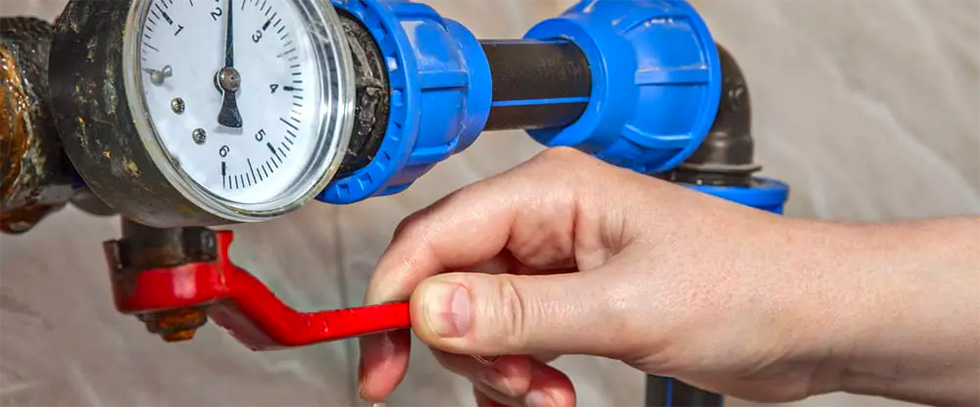
Before you start any DIY plumbing repairs, you need to know where your main water supply valve is. This is because major leaks can quickly cause significant damage to your home.
The main water supply pipe in your house is usually located on a wall in your basement. The first valve on the pipe is usually the main shutoff. To block the water supply, rotate the handle clockwise until you hear the water stop flowing.
If you’re not sure where the emergency shutoff valve is, you can ask a plumber in Denver to help you find it.
Next, let’s cover the most common plumbing problems you’ll find in each room of the house and how to fix them.
Bathroom Plumbing
Bathrooms are often the victims of plumbing issues because they have so many pipes and fixtures, and sometimes will require a plumbing remodel.
If you notice plumbing issues in your bathroom, don’t panic. This doesn’t automatically mean that the previous homeowners installed things incorrectly.
Occasional bathroom plumbing issues are common simply because you use these rooms so often.
Common Causes of Drain Clogs
1. Hair: One of the most common causes of drain clogs is the buildup of hair in the pipes. Hair can easily get trapped and tangled in the drains, especially in the bathroom, where people often wash their hair. Over time, this hair can accumulate and form a blockage that restricts water flow.
2. Soap Scum and Residue: Soap scum and residue can also contribute to drain clogs. When soap combines with minerals in the water, it forms a sticky substance that can cling to the walls of the pipes. This can gradually narrow the pipe diameter, leading to clogs.
3. Food Waste: In the kitchen, food waste is a common culprit for drain clogs. Grease, cooking oil, and leftover food particles can all accumulate in the pipes and solidify over time. This can create a stubborn blockage that requires professional assistance to remove.
4. Foreign Objects: Accidentally dropping small objects or flushing them down the toilet can result in drain clogs. Items such as toys, jewelry, cotton swabs, and dental floss should never be disposed of in the drains, as they can easily get stuck and obstruct the flow of water.
5. Mineral Buildup: In areas with hard water, mineral buildup can occur inside the pipes. Hard water contains a high concentration of minerals such as calcium and magnesium, which can accumulate over time and restrict water flow. This buildup, often referred to as limescale, can contribute to drain clogs.
6. Tree Roots: Tree roots can sometimes infiltrate underground pipes and cause clogs. Roots are attracted to the moisture and nutrients inside the pipes and can grow and expand, eventually causing blockages and damage to the pipes.
7. Aging Pipes: Over time, pipes can deteriorate and become susceptible to damage and clogs. Older pipes made of materials like cast iron or galvanized steel are especially prone to corrosion and buildup, which can lead to frequent clogs.
It’s important to be mindful of these common causes of drain clogs and take preventative measures to avoid them.
Regular maintenance, such as cleaning drains and using drain covers to catch hair and debris, can help keep pipes clear and prevent clogs.
When clogs occur, it’s advisable to seek professional assistance to remove the obstruction and prevent further damage to the plumbing system.
Toilet Problem Areas
To understand why your toilet has problems, you first need to know how the mechanism works.
When you flush your toilet by pushing the handle down, it opens a valve at the bottom of the water tank. The open valve lets water flow into the toilet bowl to refill it.
The water in the inner bowl pushes waste into the drainpipe running through the floor. As the water tank empties, a fill valve opens up to add more water to the tank.
The biggest problem areas include the water supply, the toilet leaking at the base, and the flush and fill valves.
If any of these parts malfunction, they can cause common issues such as a toilet that won’t flush or a running toilet.
Below are some of the most common issues and how you can repair them:
Clogs
In this scenario, your toilet either won’t flush at all or it refills very slowly. Don’t keep flushing—this can just make the blockage worse and cause everything to overflow.
First, try using a plunger to remove the blockage. If that doesn’t work, try using a snake.
If you don’t have one or the blockage is severe, you’ll need to call a plumber for plumbing services to clear the clog.
Another sign you need to call a plumber is when water or sewage backs up into the drain. If sewage comes back up from other pipes in your house, this could indicate a larger and more serious problem. Your sewer lines could be clogged, too.
Water Overflow
If you get impatient with your clogged toilet and keep flushing, chances are it will overflow.
To prevent overflow, locate the valve connected to the water tank. If you shut off this valve, water will no longer flow into the toilet.
Sometimes, you may not be able to find this valve. In this case, locate your home’s main water supply and shut it off.
Work on removing the blockage and ensure the inner bowl empties at normal speed. Only then should you reopen the water valves.
Leaks
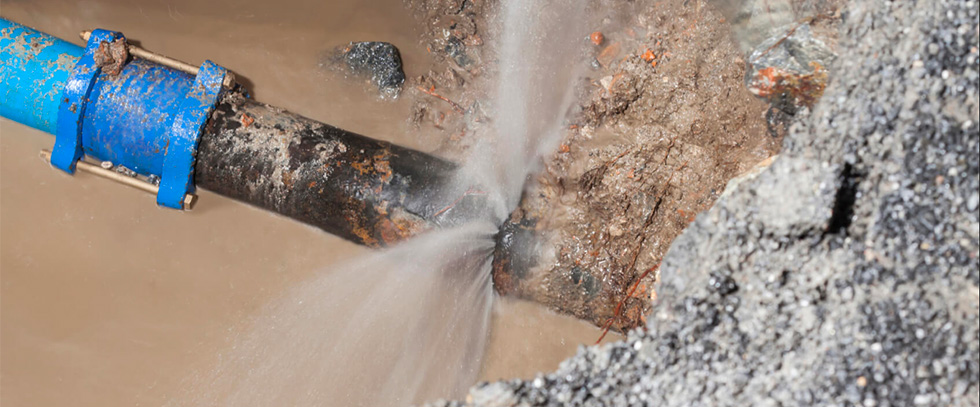
Three types of leaks are most common in your toilet. The first is that there’s a leak somewhere in the water supply. This could come from any pipes or hoses connecting to the water tank.
You’ll need to shut off the water supply, repair the connected pipes, and turn everything back on to repair this leak.
Unless you have plumbing experience, you’ll have to call a professional toilet repair specialist.
The second type of leak happens when there is a problem with the connection between the back of the bowl and the water tank. In this case, the gasket sealing the tank to the bowl requires immediate replacement.
You’ll need to drain the water tank and remove it from the bowl to fix this issue. This will give you space to install the gasket. Again, it’s best to leave this to a plumber if you’ve never done it before and are not an expert in-home repairs.
The third issue is a leak at the base of the toilet. The telltale sign is water on your bathroom floor, either constantly or immediately after you flush.
This repair is complex because the water tank and bowl must be drained and unbolted from the floor. The ring is replaced, and the entire fixture is reinstalled.
Won’t Stop Flushing
As with clogs, you can often repair a constantly flushing toilet on your own. Even if you make a mistake, the repair is unlikely to cause serious water damage.
First, try jiggling the handle a few times. Sometimes, the handle gets stuck and repeatedly flushes the toilet.
If this doesn’t work, the problem is likely either the flush or the fill valve.
If the flush valve leaks, it continues to let water into the water tank and inner bowl.
When the fill valve isn’t properly adjusted, or is broken or defective, then it will let the water keep flowing into the water tank.
To fix the issue of non-stop flushing, inspect the flush valve and fill valve.
Once you’ve determined which is causing the problem, all you need to do is replace or adjust one of these two valves.
You’ll want to get this done as soon as possible to save water and have a more water-efficient home!
Gas Lines
Gas piping is an important aspect of home maintenance. It’s a system of pipes that transports natural gas from the supply line to various appliances in your house.
Depending on the size and complexity of your home, gas piping may serve a single appliance, such as a furnace or cooktop, or multiple units, including a water heater, dryer, and more.
The entire gas piping system consists of branch lines that run directly to individual appliances in your home, while drop lines run vertically down lower than the appliance height. This allows the natural gas to flow efficiently into each unit throughout the home.
Gas pipe sizing must account for the total BTU load (British Thermal Unit) capacity by determining pipe lengths and diameters accordingly, ensuring safety and optimal performance for each device.
Professionals should always be consulted when performing any gas piping or line repairs; improper installation can pose long-term risks, including carbon monoxide poisoning from leaks or poor ventilation.
Properly maintained and regularly inspected gas piping is essential to ensurethat equipment that runs on natural gas operates properly in any household setting.
Gas Line Maintenance
Gas line maintenance helps keep your home safe by ensuring gas pipes, fittings, and shutoff valves stay secure and leak-free.
A proper inspection can catch corrosion, loose connections, or pressure issues early—before they become hazardous or affect appliance performance.
Regular maintenance and prompt repairs support reliable service and help protect your family from gas leaks and costly damage.
Bathroom Sinks
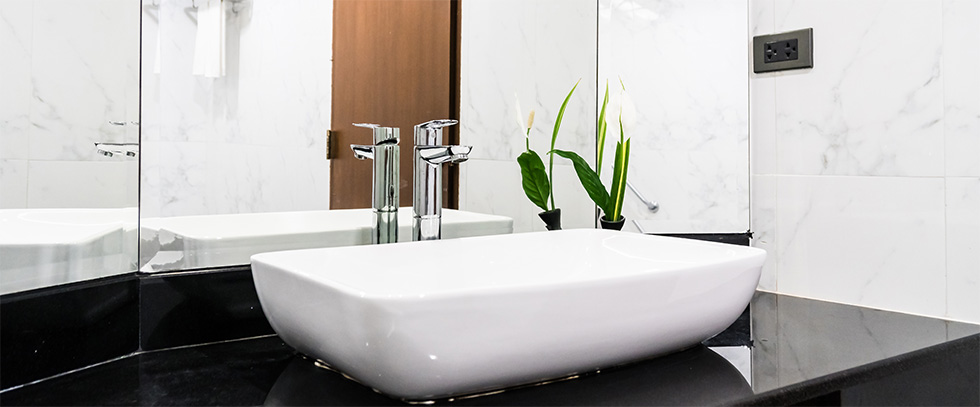
Sinks and faucets are another huge problem area in both residential and commercial plumbing.
Items like soap and hair can cause just as much of a drain blockage problem as food does in your kitchen sink.
Never try to plunge a bathroom sink with your plunger. Not only is this unsanitary, but it doesn’t usually work. Instead, try pouring in some good-quality drain cleaner.
If this doesn’t solve the problem, then the clog is probably stuck further down the pipes, and you may need to schedule a drain cleaning.
The difficulty is that most of your drain pipes are behind the plaster and drywall. They also twist and turn around your home’s structural elements.
While the clog itself may not be large, reaching it can be difficult.
In this situation, you’ll need to call a plumber to remove the clog, as reaching it requires expertise.
What to Do With a Smelly Sink
Does your bathroom sink smell like rotten eggs? This smell is usually caused by microbes living in your drain.
As long as the bathroom drain was installed correctly, you can often fix this problem with a simple DIY solution. All you need is a bottle of 3% hydrogen peroxide. If you don’t have this, you can find it at your local drugstore.
You’ll want to pour 2 cups of this solution into the drain. It’s best to do this at night so the hydrogen peroxide can sit in your sink for at least 8 hours. Make sure not to use the tap during this time.
If this doesn’t work, you’ll have to call an expert to take a look.
Bathroom Faucets
If one leaky faucet in your home drips at a rate of 3 drops per minute, it will waste more than 104 gallons of water per year. This number only multiplies if you have more than one leaky faucets in your home.
A leaky faucet can also damage your bathroom sink and other surfaces by causing rust and rot.
Excess water around your pipes can damage them and cause additional leaks. You can find more information here on leaky water pie repairs.
If your faucet or pipe leaks around wood, it can cause rot and mold, which can lead to health problems and structural damage.
Even if a leak seems minor, you need to fix it before it causes further damage.
Sometimes, all your dripping faucet needs is a new faucet washer. In others, you may need to replace the faucet cartridge. This plastic piece in your faucet controls the flow of water.
Replacing a cartridge takes about an hour and should stop your faucet from leaking around the handles and the base.
If you have experience with DIY repairs and improvements, you can probably fix these two issues yourself.
However, bathroom faucets can sometimes have corroded parts. This is especially true of older faucets. If you attempt to repair a corroded faucet, it may break apart and cause further issues.
Thankfully, many faucet manufacturers offer spare cartridges at no charge. Sometimes, they even offer free replacement faucets.
Before buying new parts, call your faucet manufacturer to ask whether you can receive replacements at no charge.
Showers
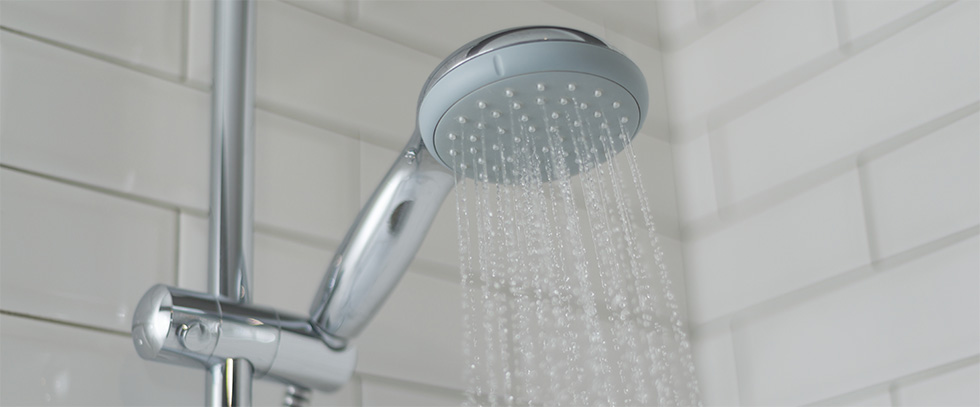
The hot and cold water entering your shower is supplied by a faucet behind the shower wall.
The primary problem areas for showers are the faucet valve, drain, and shower enclosure.
The shower enclosure is the glass part around the shower that stops water from splashing across the rest of the bathroom.
Clogged Shower Drain
In the case of a clogged shower drain, the culprit is usually a buildup of hair or soap. Try using a liquid drain cleaner to remove the clog. But if this doesn’t work, you’ll have to call a plumber and schedule drain cleaning services.
As a preventative measure, you can get a mesh strainer that fits the opening of your drain.
This will catch any drain-clogging debris, such as hair or soap chunks. Please empty the strainer into the garbage and give it a thorough rinse to prevent mold.
Leaky Shower Head
Leaky showerheads are most often caused by valve issues. For most showers, only one valve controls the flow of hot and cold water.
When this valve is worn out, it can cause leaks and increase your water bill.
If you know what you’re doing, you can shut off your main water supply and replace the valve yourself. But if you’re not sure how to do this, you’ll want to hire a plumber to avoid causing any additional damage.
Whether you perform the repair yourself or hire a plumber, contact the showerhead manufacturer to see whether they offer spare parts.
Smelly Shower Drain
This is the same issue as a smelly sink drain. You’ll want to pour 3% hydrogen peroxide down the drain and leave it overnight.
If this doesn’t eliminate the odor, the issue isn’t microbial.
You’ll want to call a professional to take a look, as the problem could be with installation or with something deeper inside the drain.
Mold
If you notice mold growing around your shower, you can usually stop it by turning on your bathroom fans. Make sure to keep them on for 20 minutes after you shower.
You can also keep your shower door open or draw the curtain back to increase ventilation in the area.
Bathtubs
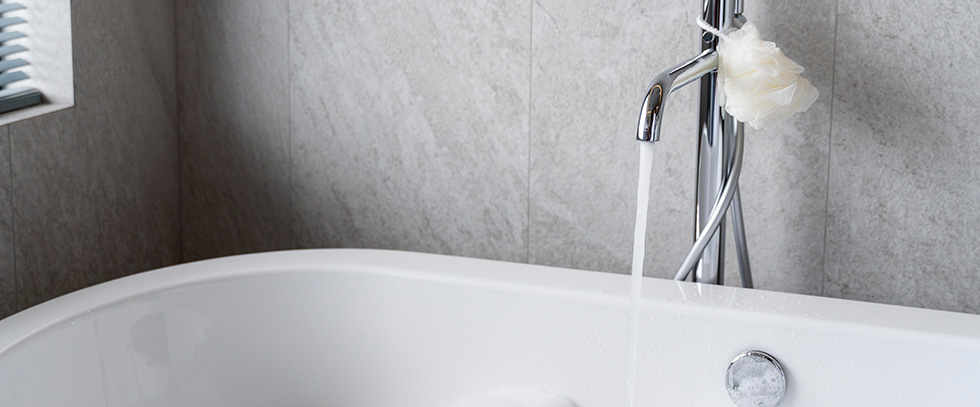
Bathtubs and showers share similar plumbing issues, like leaky faucets and smelly drains. So if your tub has these issues, you can fix them the same way you would fix your sink.
One common bathtub issue that tends to cause problems is damaged caulking. Caulk is a flexible, non-porous material used by professionals to seal gaps. In your bathroom, you’ll find caulk around the edges of your inset bathtub.
This helps seal it to the floor and ensures water doesn’t get underneath the bathtub or behind the walls.
If the caulking around your bathtub (or shower stall) is damaged, you can fix it yourself, but it won’t be easy. You will also need a caulking gun to do this. This is because it’s difficult to remove the old caulking, which you must do first.
Ensure the area around the caulking is clean and dry, then use a solvent to dissolve the old caulking.
Then apply new caulk to the seams and ensure the edges are clean.
If you’d rather hire a professional to do this, you can ask a handyman to help with basic caulking. Plumbers in Denver usually won’t come and do silicone caulking by themselves, but they’ll likely do it if the plumbing job involves installing a new sink.
Kitchen Plumbing
The kitchen is one of the most complex areas in the home for plumbing.
This is because your kitchen has the most water-dependent features and appliances. These include faucets, drains, dishwashers, and refrigerators with water dispensers and ice makers.
On top of this, kitchen faucets tend to be more complex than bathroom faucets. The ones in your kitchen often have additional features, such as garbage disposals and spray hoses, which increase the risk of leaks or clogs.
How to Fix a Leaking Washing Machine Hose
No one wants to be greeted by a pool of water when they are about to do their laundry. Unfortunately, a leaking washing machine hose is often the cause of these unexpected puddles, which can lead to costly damage and repairs.
The seriousness of these damages cannot be understated since an undiagnosed leak can pour gallons of water into your home while you are away, resulting in carpet and ground flooding, expensive insurance bills, and possibly even new furniture or construction due to water damage.
That is why it is essential for homeowners to take all necessary precautions, such as regularly checking for signs that the washer hose may need replacing, including kinks, wear, or age.
If a tear or crack is present, it must be repaired as soon as possible to prevent further damage and flooding.
Fixing a broken washing machine drain hose can be easier than most people think: buy a replacement hose at your local hardware store, remove the old one, and install the new one.
With some materials and 10 minutes of your time, you can save yourself lots of money and huge inconveniences down the line.
Kitchen Sinks and Faucets
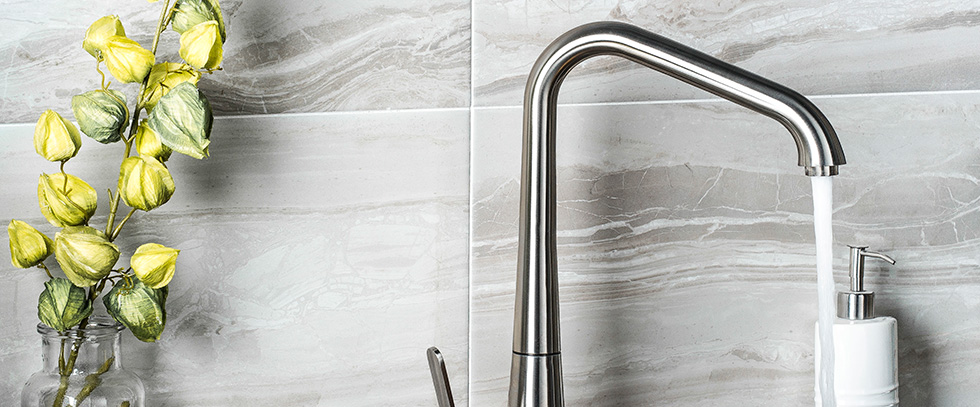
The most common plumbing issues with kitchen sinks and faucets are leaks.
These leaks are usually located in three places:
- Where the sink attaches to the countertop
- The sink’s drain pipes
- Between the faucet and the water supply pipes
To fix leaky or dripping faucets, you first need to find out if you have an older faucet or a modern one.
Older faucets used a washer from the 1970s and earlier to stop the flow of water when the tap is shut off. A washer is a small rubber disk available in various sizes.
When you turn off the faucet, the mechanism inside presses against the washer. This creates a seal and cuts off the water supply.
But when washers age, the rubber becomes cracked and brittle. This can cause small amounts of water to come through even when the tap is turned off, resulting in leaks.
Newer faucets use a cartridge instead of a washer. The cartridge is a plastic component in the faucet that controls water flow. When this leaks, the solution is to replace the cartridge.
Many repair-savvy homeowners opt to fix a leaky faucet themselves by replacing either the washer or the cartridge.
Clogged Kitchen Sinks
Clogged kitchen sinks are common because food and grease can still clog the drain, even with a sink strainer.
First, try using a specialized kitchen sink plunger to remove the debris. For sanitary reasons, you should only use this plunger for the kitchen sink.
The key to using a sink plunger is pushing up and down with quick movements.
If this doesn’t work, try using drain cleaner liquid. Never plunge after using drain cleaner. This substance is corrosive, and plunging into it could cause the liquid to splash on your face and eyes.
If neither of these solutions works, you’ll have to use a drain snake. If you have a toilet snake, remember that these are much larger than kitchen snakes. Not only could this larger snake get stuck in your kitchen drain, but you’ll also contaminate your kitchen with bacteria.
The problem with using a drain snake is that you need to open the drain trap to reach inside. If you’ve never done this before, it’s best to call a plumber to deal with the clog for you.
Leaking Sink Cabinet
If you open up the cabinet under your sink and find a puddle of water, the problem is likely a leaky pipe joint.
Take a flashlight and look at the bottom of your sink. Check if the leak is coming from the drain pipe. The leak may also be coming from the faucet’s water supply.
If you see this leak, you need to address it right away. Leaving it can cause your house to flood.
First, locate the flexible hose that connects the water supply pipe to the faucet.
Once you’ve found it, shut off the valve that supplies water to the pipe. Tighten the fittings by hand, moving clockwise. Then, turn the water back on and check if the leak has stopped.
If it hasn’t, leave the water turned off and call JD’s Plumbing for assistance.
Keep in mind that faulty or old caulking can allow water around the sink to seep through the cracks into the cabinet below. Inspect your caulking for holes or wear-and-tear to see if this is the problem.
Gurgling Drain
If you hear gurgling in your drain, it’s usually not due to a clog. It’s often because your sink doesn’t have an air vent installed.
Adding an air admittance valve can help solve the problem, but not all jurisdictions allow it. Your best bet is to call a local plumber and ask if installing this valve is an option for your sink.
Dishwasher
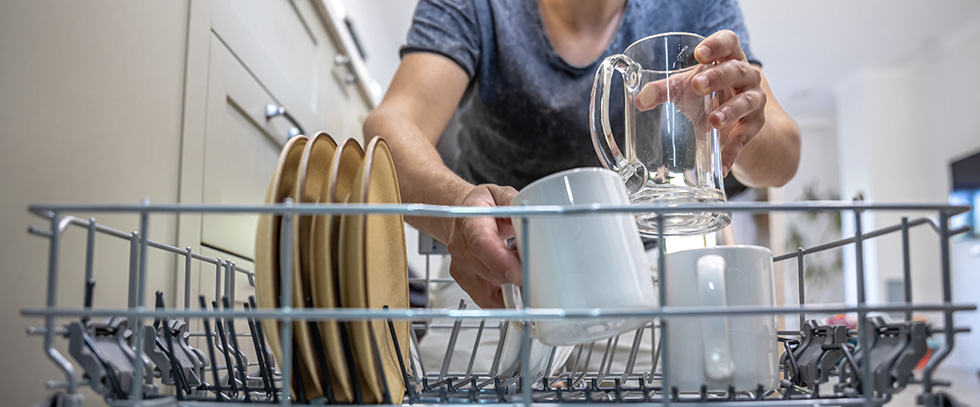
Remember that dishwashers don’t use cold or warm cycles as washing machines do.
With most dishwashers, the only water supply you need to worry about is the cold water supply.
Keep in mind that some high-end dishwashers also have their own hot water supply. So if this applies to you, check that the hot and cold water supplies are working.
Depending on your local plumbing regulation code, your dishwasher may also have an air gap. This dome-shaped fitting goes on the back corner of your kitchen sink.
The air gap allows air into the drain hose, preventing drain water from returning to the dishwasher. If you have a problem with a section on air gap, consult a professional for assistance.
Dishwasher Cycling Problems
If your dishwasher won’t go through all its cycles, the problem could either be the dishwasher itself or your plumbing.
First, check the drain screen inside your dishwasher.
If it’s full of food, it can prevent the dishwasher from running properly (or even from starting). Ensure to clean the drain regularly so the dishwasher can fully drain after each use.
Water Leak
If you find water on the floor every time you run your dishwasher, the problem is being caused by a faulty drain pump or door seal.
This issue is with the dishwasher itself, not the plumbing. In this case, you’ll want to call an appliance repair technician to help you.
Basement Plumbing
If you have a finished basement, it could have as much plumbing as your kitchen or bathroom.
If any of the taps in your basement are leaking, apply the same repair techniques we talked about for other taps and faucets.
The main thing to watch in your basement is the main water supply line. If you get water from your municipal water supply, there will be three components to this.
These are the main pipe (usually 3/4″ in diameter), a water meter, and a shutoff valve. Once you’ve found the shutoff valve, try closing it.
If it’s too stiff and you can’t move it, immediately call JD’s to help. You always need to be able to shut off this valve in emergency situations.
If you use a private water system, you’ll need to maintain the following:
- Pump
- Sump Pump
- Pipes
- Switches
- Valves
- Gauge
- Pressure tank
If this list is too overwhelming, come up with a checklist and arrange it according to how often you need to check each item for maintenance requirements.
Always make sure to check the pressure gauge, which is next to the pressure tank. The gauge should always read between 30 and 60 psi. If it doesn’t, call for help.
Sump Pumps
A sump pump repair is essential to ensure your basement or crawlspace remains dry. When it begins to fail, however, you may face a worsening problem or be at risk of flooding.
To keep preventive measures in place and fix your sump pump quickly to ensure the safety of your home, we suggest consulting our expert technicians who are knowledgeable when it comes to troubleshooting sump pumps both big and small.
From running constantly to broken switches and other components, there is a multitude of issues that require professional attention in order to prevent any untoward consequences resulting from the failure of your sump pump. Our team is available around the clock to get you back on track while repairing, replacing, or simply checking in on the condition of your secondary flood protection system—whatever the situation may be!
Schedule an appointment with us today so you and your home can feel secure, knowing our team has everything under control.
Sewer Ejector Pumps
Sewage ejector pumps, also referred to as sewer ejector pumps, are for bathrooms, laundry rooms, or other plumbing fixtures that are located lower in the main sewer or septic line.
Regular gravity flow is not enough for drainage systems, therefore, a pump must be used to elevate the wastewater from the lower-positioned fixture and create more efficient drainage.
These pumps use high pressure to lift sewage, preventing backups and ensuring proper disposal.
Sewer ejector pumps primarily consist of an impeller with a sealed liquid chamber and an electrical motor that powers it.
As it starts, suction occurs in the impeller due to the submersible pressure created by the liquid inlet. This allows pollutants, such as food scraps and waste products like paper towels and hair, to pass between the impeller blades and enter the exit tube that carries them out of the drainage source being pumped.
The liquid is then repelled, ensuring wastewater safely discharges into storm drains or septic systems.
Outdoor Plumbing
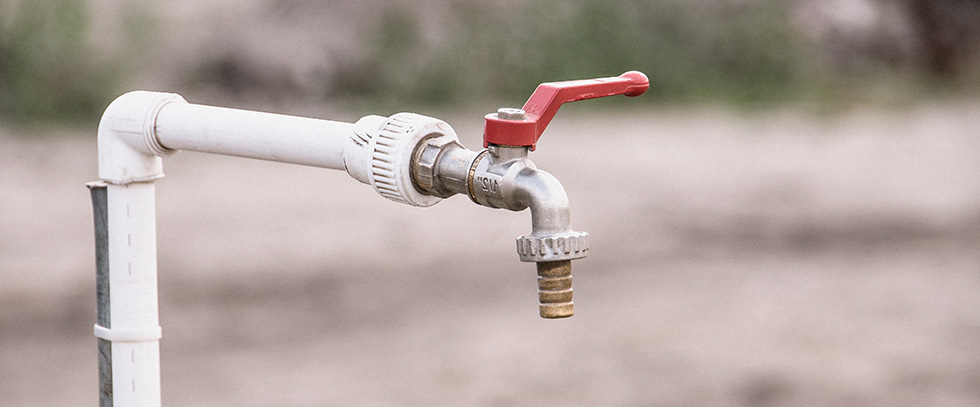
Most homes have an outdoor plumbing system with only cold water taps for sprinklers and hoses. Some homes also have hot water for outdoor taps.
The most common outdoor plumbing issues include:
- Dripping hose taps (Hose Spigots)
- Faulty yard irrigation
- Frozen pipes
If your hose tap is dripping, you may be able to take care of the problem yourself.
Keep in mind that most outside hose faucets use washers (and not cartridges) to seal off the water supply. Find the shutoff valve for the faucet and replace the washer.
If you continue to have trouble opening or closing the tap, a certified plumber may need to replace it.
In the case of faulty yard irrigation (including sprinklers), the issue is likely with the system itself, not the plumbing. If you live in a cold area, you should first check that the main water feed valve is turned on.
If it still doesn’t work, JD’s Plumbing can help with seasonal sprinkler maintenance.
When to Hire a Denver Plumber
Keep in mind that commercial plumbing is more complex than residential plumbing. This is because the piping systems are complicated and travel between offices and floors.
So if you try to do a DIY repair in a commercial space and make a mistake, this could affect an office 10 floors down from you.
You also need to remember that all repairs and installations must comply with your state’s plumbing codes (including code-compliant diagrams and techniques).
One of the best code-compliant practices is to hire a plumber for all commercial issues and repairs.
As for residential plumbing, consider how knowledgeable you are about DIY repairs. If all you need to do is replace the cartridge in your faucet and you’ve done this before, you probably don’t need anyone to assist you.
But if you’re a new homeowner or need complex repairs (such as soldering copper or installing fixtures), you may need to find a certified professional.
If you try to fix the issue yourself with no experience, you could make the problem worse.
If you leave leaks or clogs for too long, you could create permanent damage to your home. This is especially true if your home’s foundation is built from wood.
To reduce the chances that small plumbing problems can become major, you’ll want to follow the plumbing maintenance requirements.
You can ask JD’s Plumbing Heating and Air Conditioning to give you recommendations on how often you should be checking everything. Make a list and tape it to your basement wall or somewhere you can see it.
The Ultimate Plumbing Guide Denver: Your Questions Answered
We hope our ultimate plumbing guide for Denver helped you learn about common household plumbing issues and how to fix them.
Most importantly, know where your main shutoff valve is and how to use it in case of an emergency.
If you’re located in the Denver metro area and need plumbing assistance, JD’s Plumbing is here to help. JD’s plumbing partnership with Mountain Valley has brought innovative solutions to the local community. By leveraging this collaboration, customers can expect top-notch service along with environmentally friendly options. Whether it’s routine maintenance or emergency repairs, you can trust that your plumbing needs will be met with expertise and care.
Not only do we have years of experience, but we take pride in straightforward, transparent pricing that fits your budget.
Whether you need help with leaky pipes or a full sink replacement, contact us today!
